 Tiếng Việt
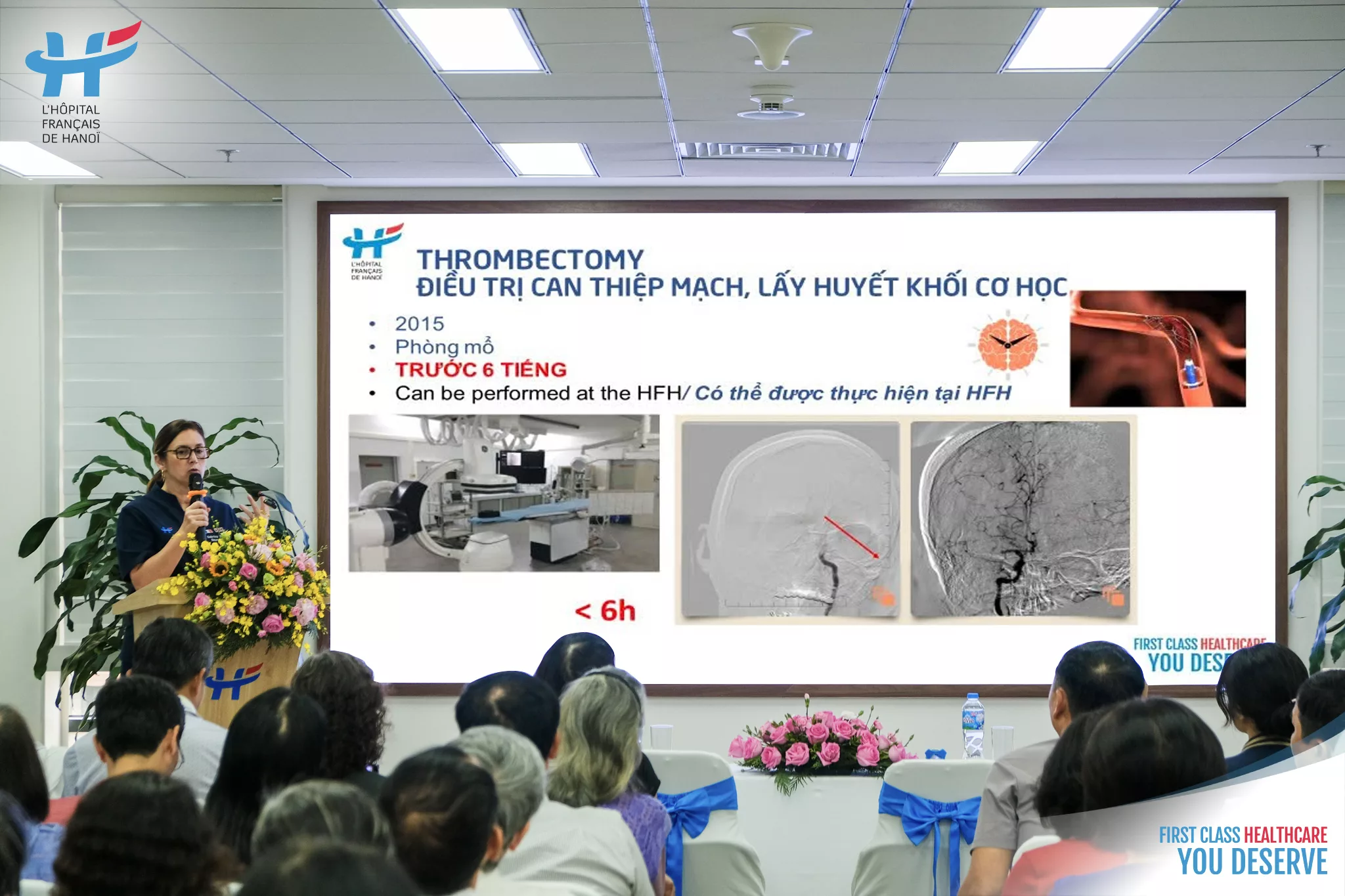
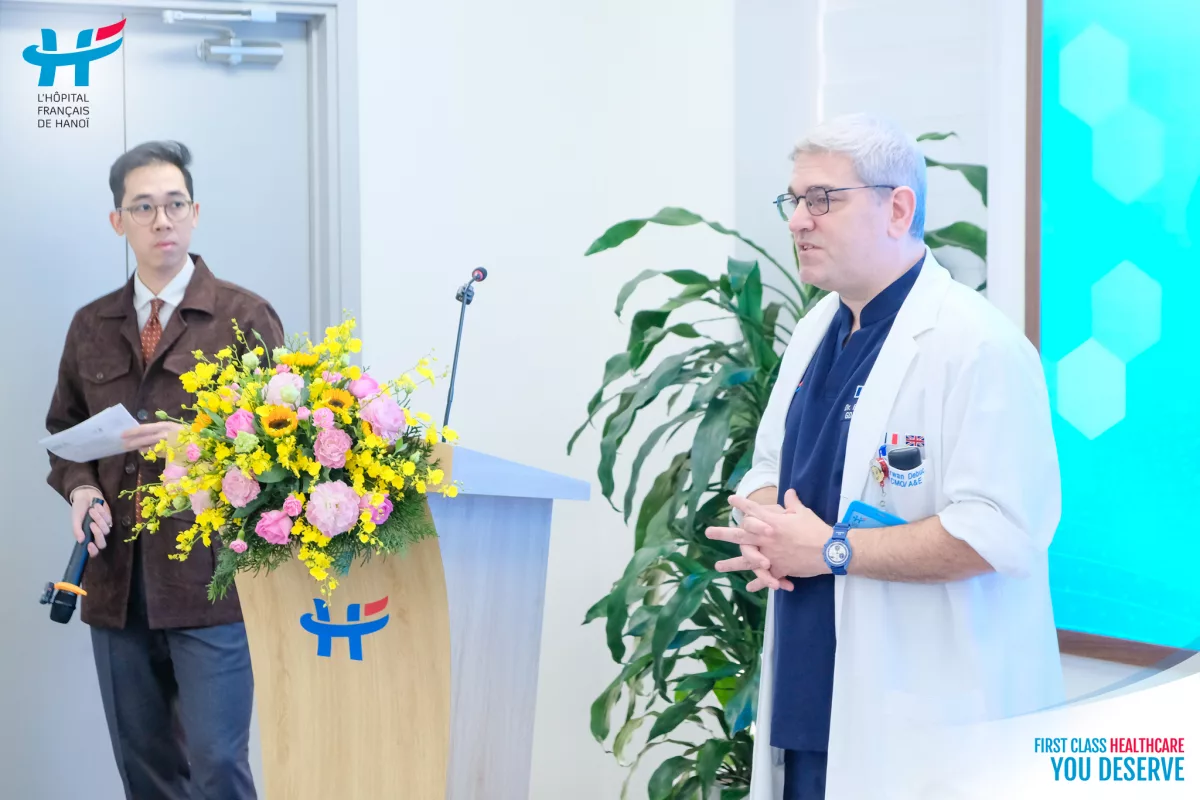
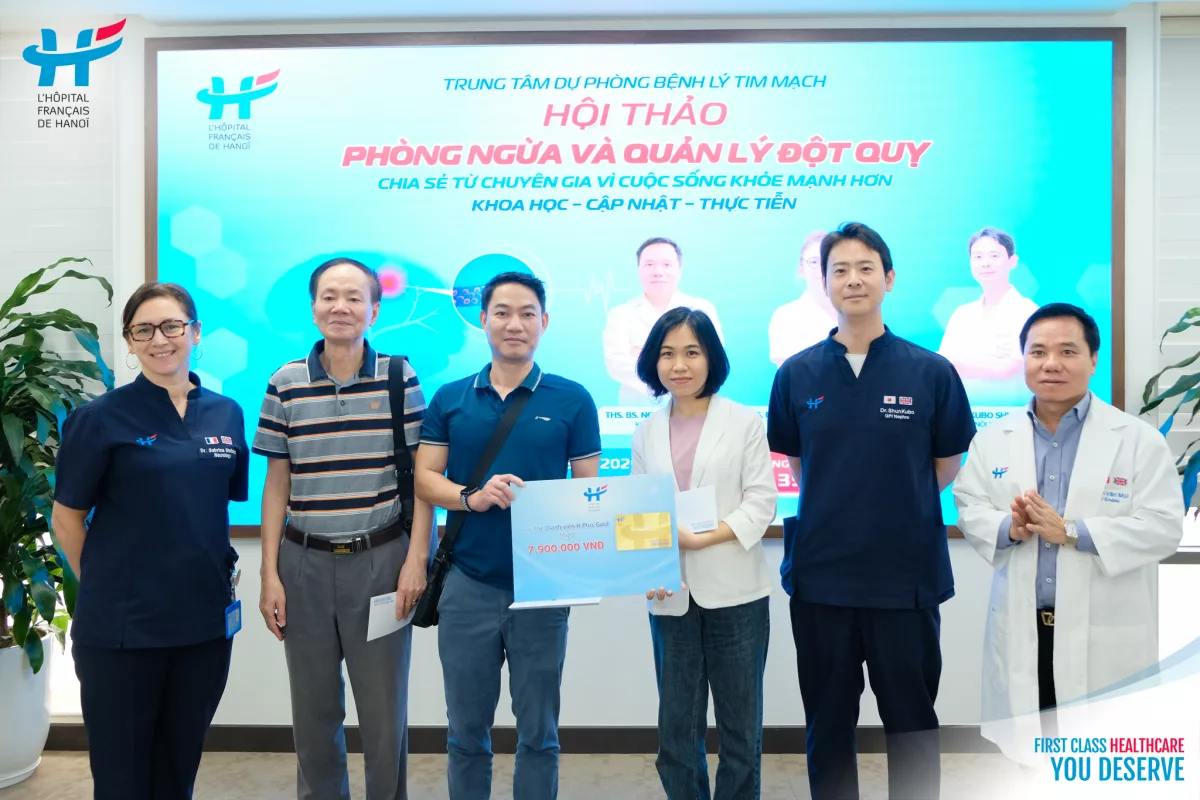
On the morning of March 28, 2026, the specialized workshop “Stroke Prevention and Management – Expert Insights for a Healthier Life” organized by the Prevention Center of Cardio-vascular Diseases at Hanoi French Hospital (HFH) successfully took place with the participation of 130 guests.
Understanding Stroke
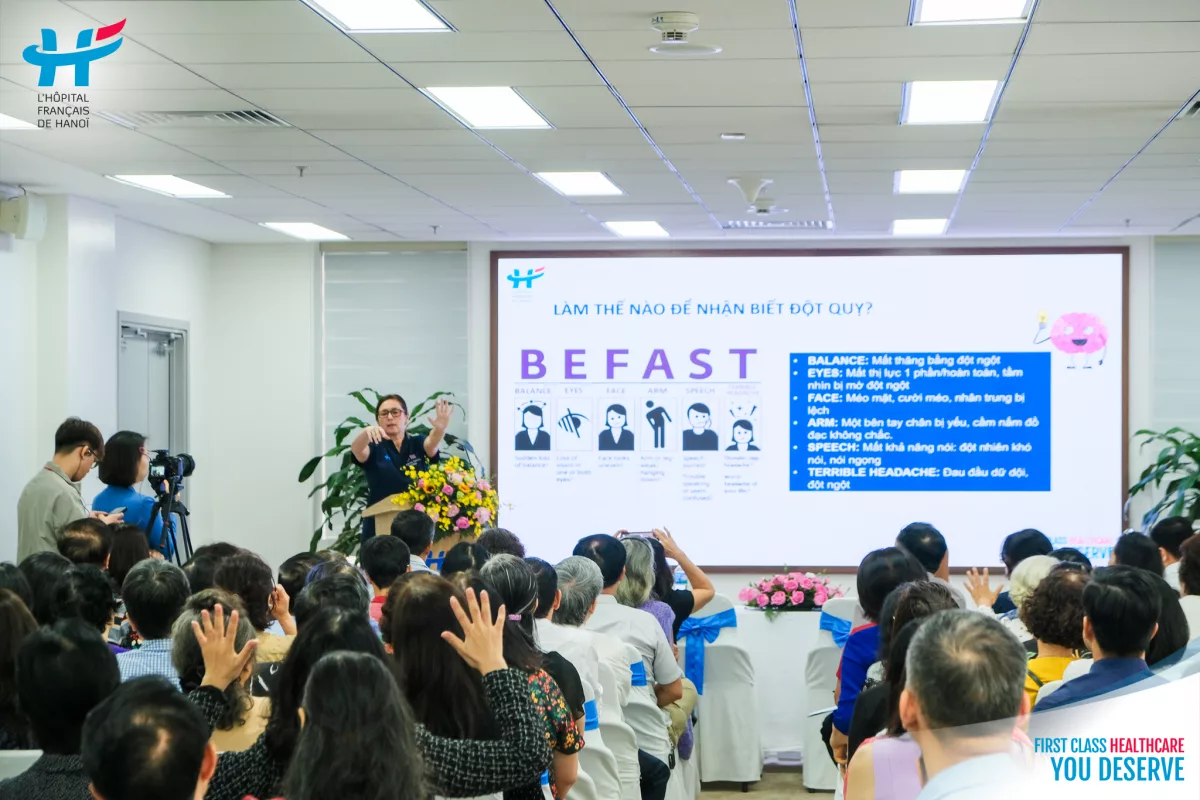
At the beginning of the workshop, Dr. Sabrina Stefanizzi from the Department of Neurology, Coordinator of the Center, presented an overview titled “Understanding Stroke” with many notable insights. Dr. Sabrina emphasized that stroke is no longer a condition only affecting older adults. Statistics show that the average age of stroke patients in Vietnam (62–65 years) is younger than in developed countries (70–75 years), and notably, 1 in 10 cases occurs in people under 45 years old.
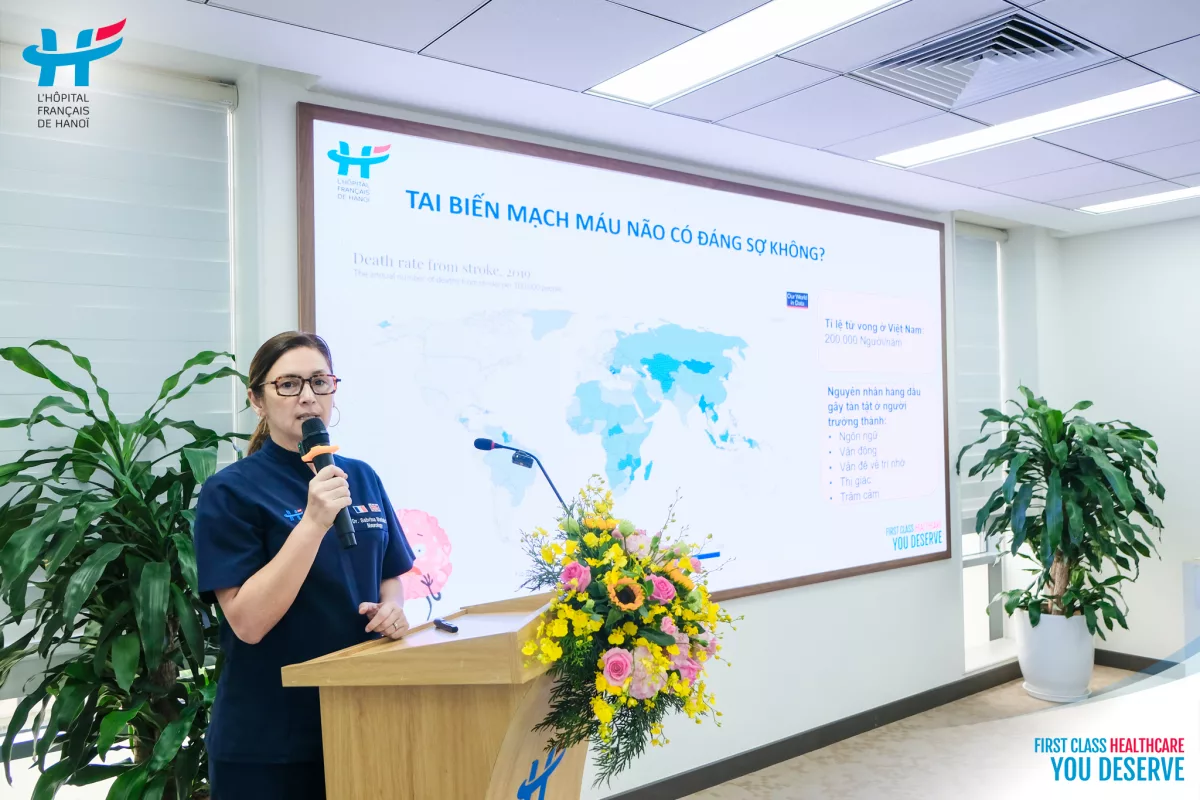
The presentation helped attendees understand the different types of stroke, risk factors, and the critical importance of recognizing early warning signs. During the “golden time”, timely intervention can determine the patient’s recovery potential and the extent of long-term complications.
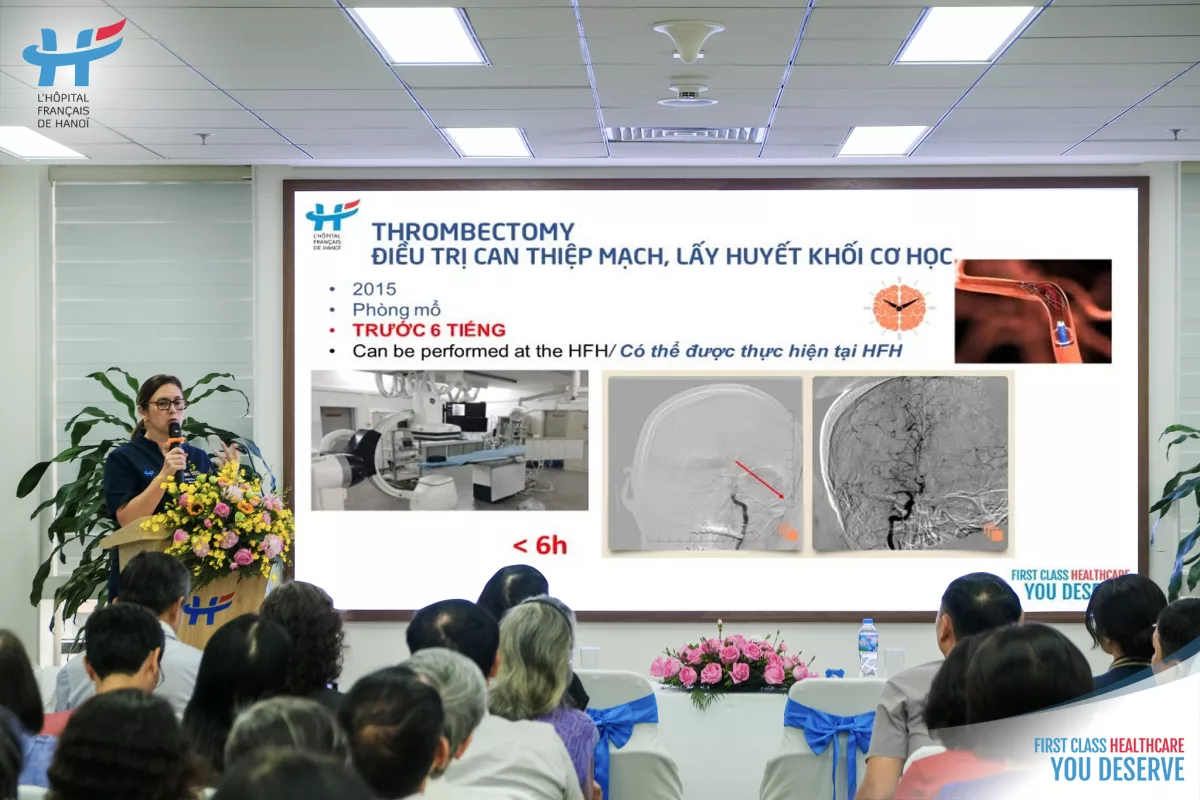
At HFH, stroke treatment is personalized for each patient, focusing on maximizing brain tissue preservation. Modern treatment methods available at HFH include including intravenous thrombolysis and thrombectomy.
Dr. Sabrina highlighted an important message: stroke is a serious condition that can be fatal, but it does not always occur suddenly or without warning. Early recognition and timely intervention of warning signs can save lives.
Diabetes – A Silent but Dangerous Risk Factor
Following the program, Dr. Nguyen Van Mui from the Department of Endocrinology analyzed the close relationship between diabetes and stroke. According to the International Diabetes Federation (IDF) 2025 report, 250 million people worldwide are living with diabetes without knowing it, accounting for nearly 50% of all cases.

Diabetes is often called a “silent disease” because it progresses quietly but causes serious damage to the vascular system. People with diabetes have twice the risk of stroke compared to non-diabetic individuals. Prolonged high blood glucose damages the inner lining of blood vessels, increases platelet aggregation, and is often associated with hypertension and dyslipidemia.
Notably, recovery from stroke in people with diabetes is usually slower and less complete.
The core message emphasized by Dr. Mui is that complications of diabetes can be prevented. Early detection, treatment, and management of risk factors are key to preventing or slowing the progression of complications, including stroke.
Healthy Lifestyle and Regular Check-Ups – The Foundation of Prevention
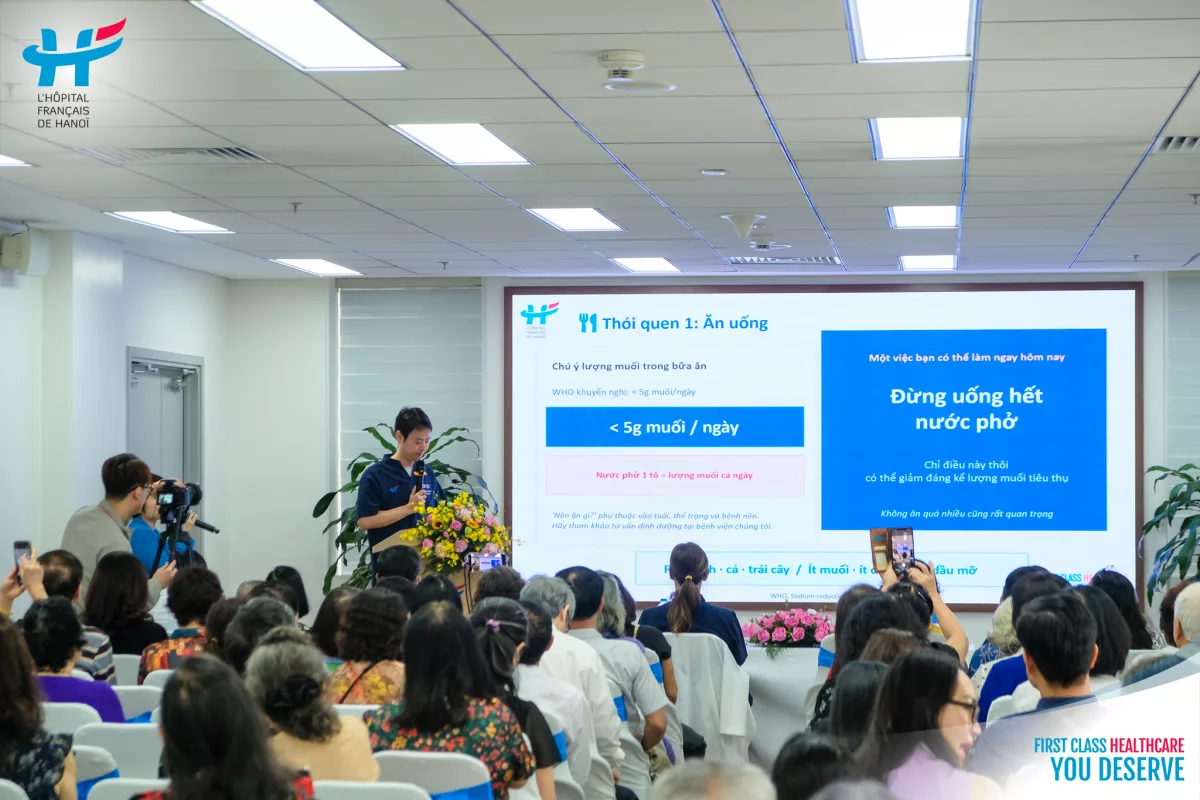
Dr. Shun Kubo from the Department of General Internal Medicine delivered an engaging, easy-to-understand, and interactive presentation on “Regular Health Check-Ups & Healthy Lifestyle”.

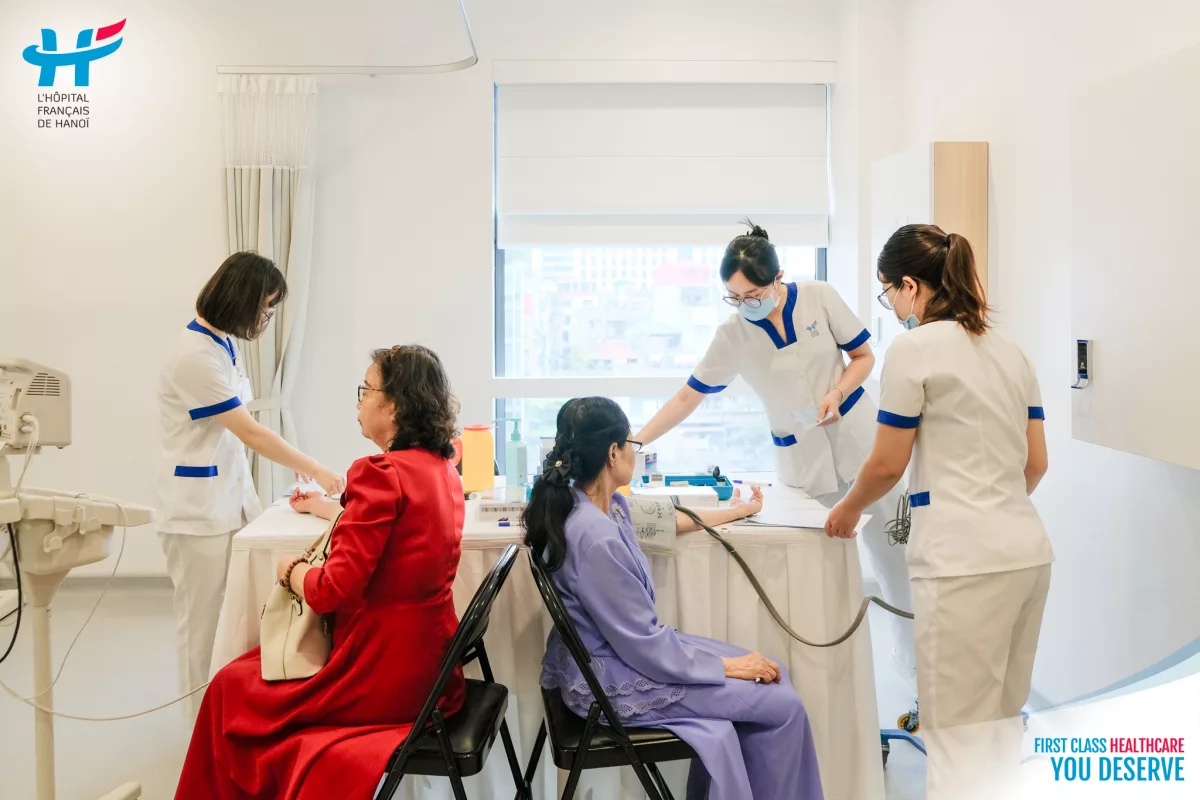
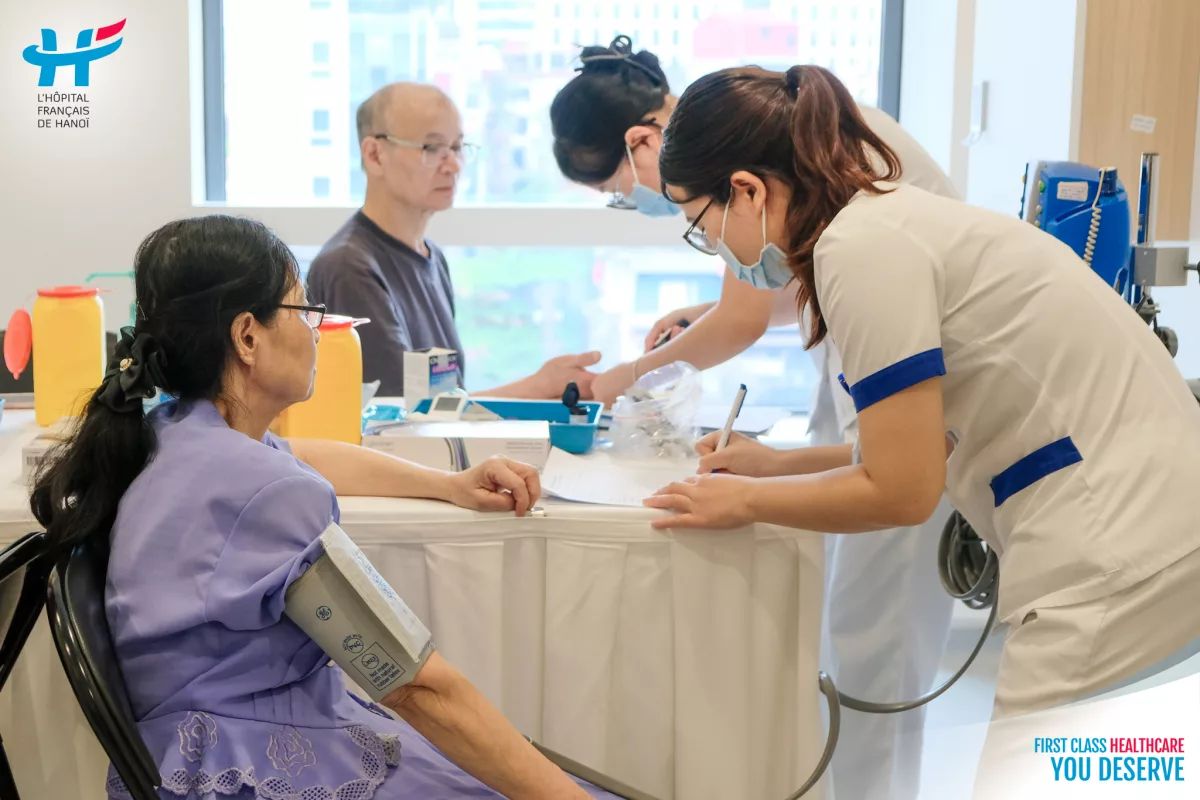
Starting with a simple question: “Do you know your blood pressure?”, Dr. Kubo pointed out a concerning fact: around 50% of people with hypertension are unaware of their condition. The belief that “no symptoms means no problem” is one of the biggest barriers to early detection of serious conditions.
Hypertension, diabetes, and dyslipidemia are often called “silent killers”, yet they can be prevented through simple habits: regular health check-ups, balanced nutrition, and physical activity.
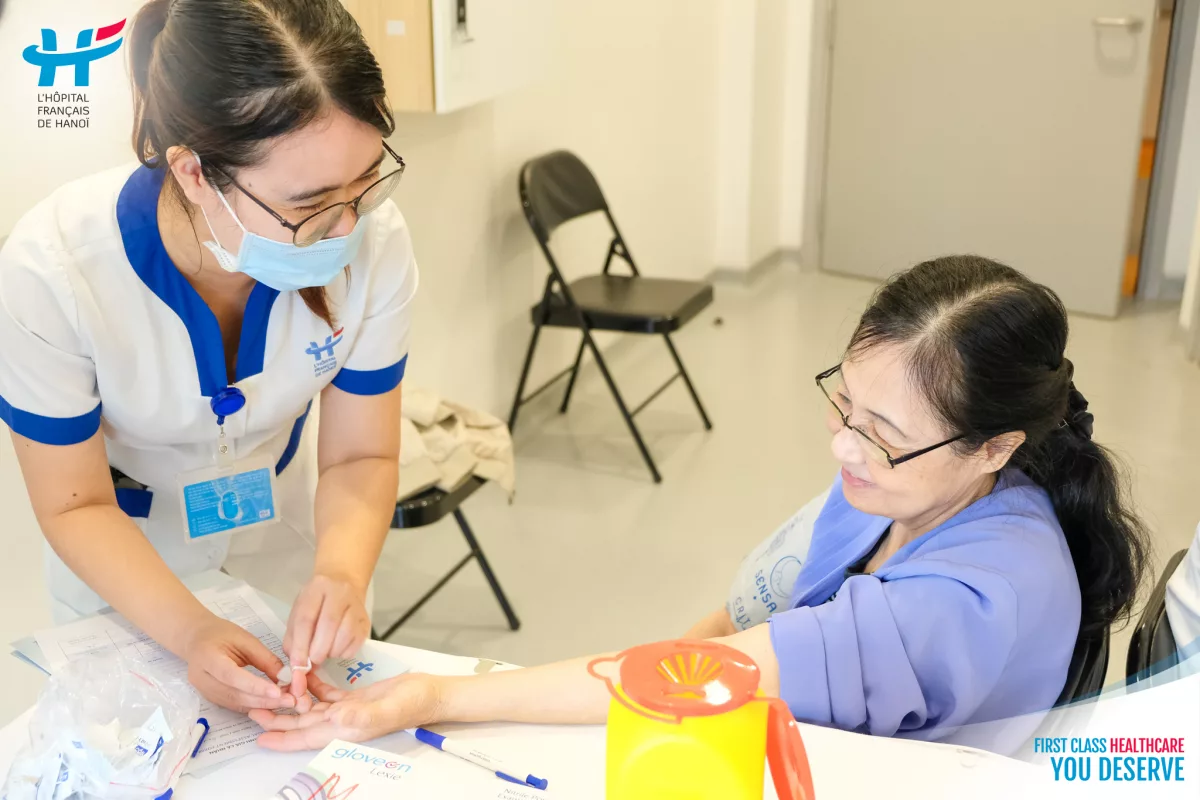
Dr. Kubo emphasized that health check-ups go beyond blood tests; comprehensive assessments are needed to detect risks early. Annual check-ups are recommended, even if no symptoms are present.
The concept of “healthy life expectancy” was also highlighted: the goal is not only to live longer but to live healthier, independent, and with good quality of life. Small lifestyle changes can make a significant difference:
- Nutrition: Reduce salt intake (WHO recommends <5g/day). A practical example: not drinking all the broth in a bowl of Pho can significantly reduce daily salt intake.
- Physical activity: 150 minutes/week can reduce mortality risk by 20-30%. Start with 15-30 minutes of walking daily.
- Sleep: Adequate sleep supports immunity, stabilizes blood pressure, and improves focus. Short naps of 20-30 minutes are beneficial, but longer naps may disrupt nighttime sleep.
The key takeaway was inspiring: “The habits you start today are not just for living longer, but for living healthier for longer.”
Promoting the Value of Prevention – For a Healthier Community
Dozens of questions from participants were addressed directly by the doctors, with thorough and detailed explanations, ensuring that attendees left with clear, practical guidance. The strong interest and active engagement from the community highlight the urgent need to raise awareness about stroke – one of the leading causes of death and disability, yet preventable if risk factors are identified and managed early.
Through this workshop, Hanoi French Hospital continues to reaffirm its commitment to accompany patients and the community, not only in raising awareness but also in providing comprehensive, internationally-standard medical care for a better quality of life.
Here are some highlights from the event: