 Tiếng Việt
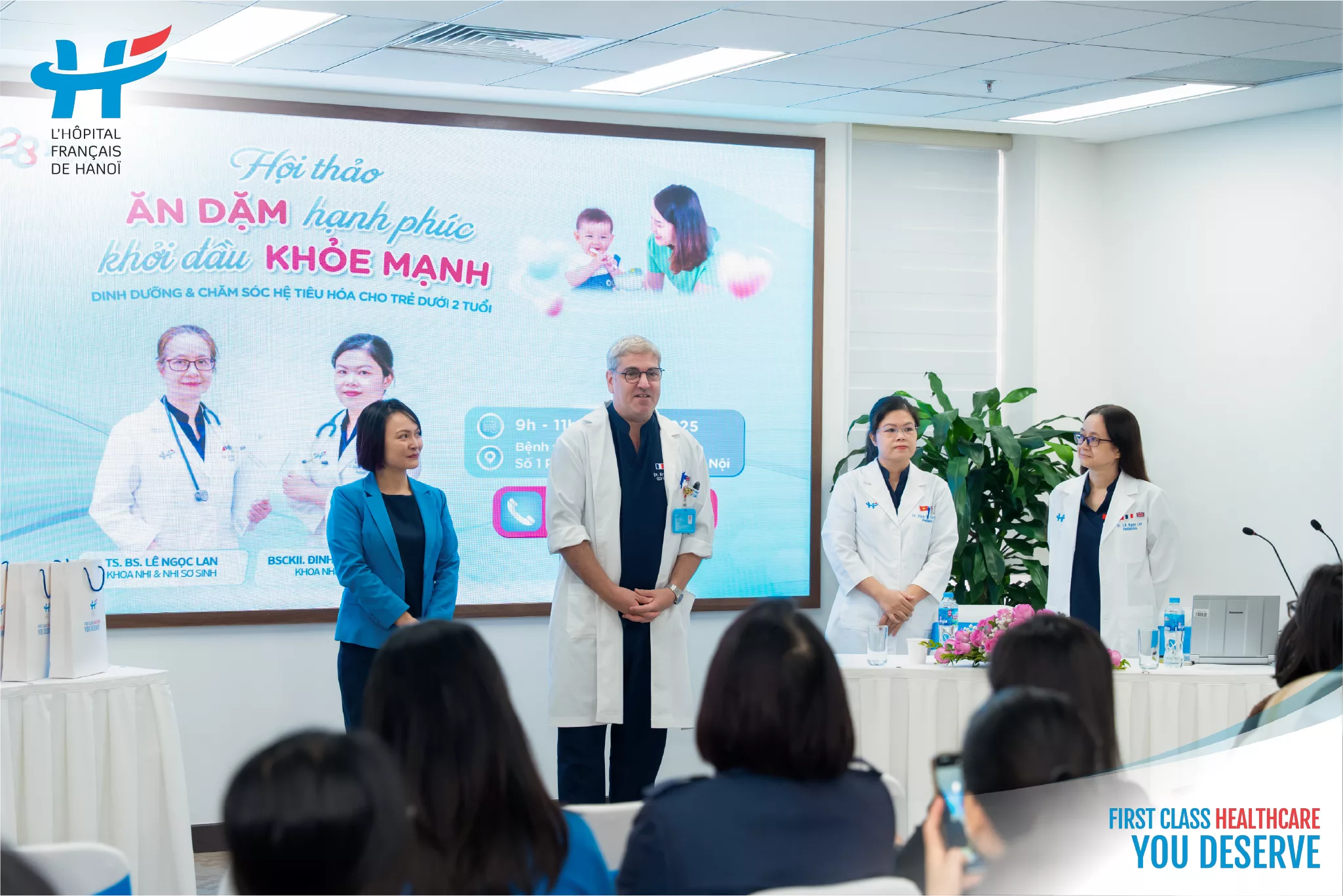

The workshop provided valuable scientific knowledge about weaning and digestive care, helping parents feel more confident in their journey of raising healthy children.
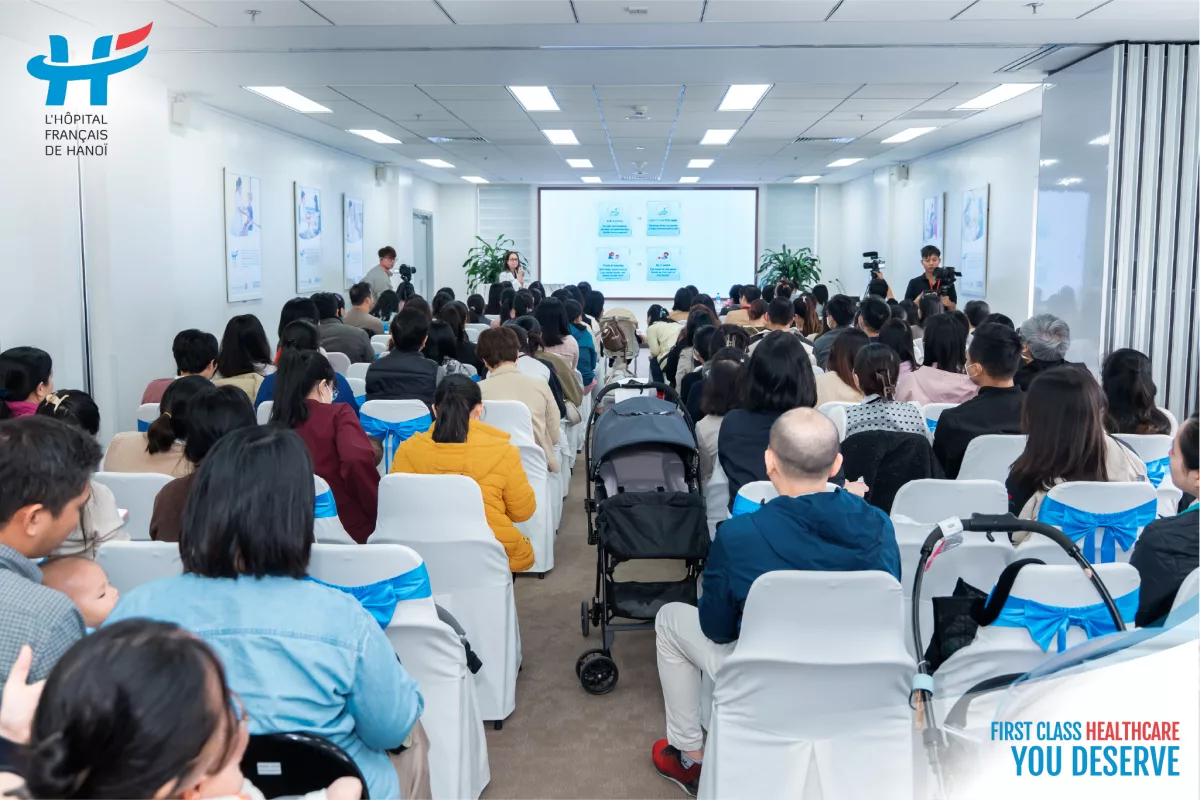
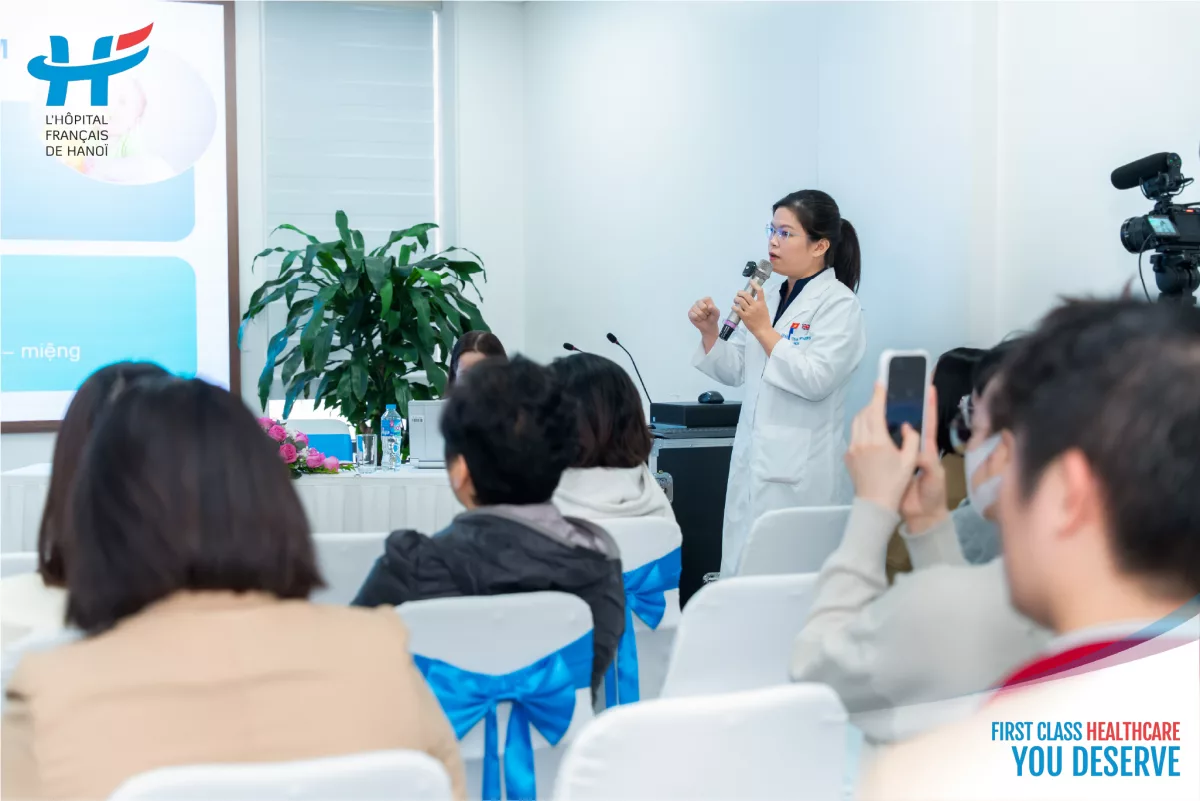
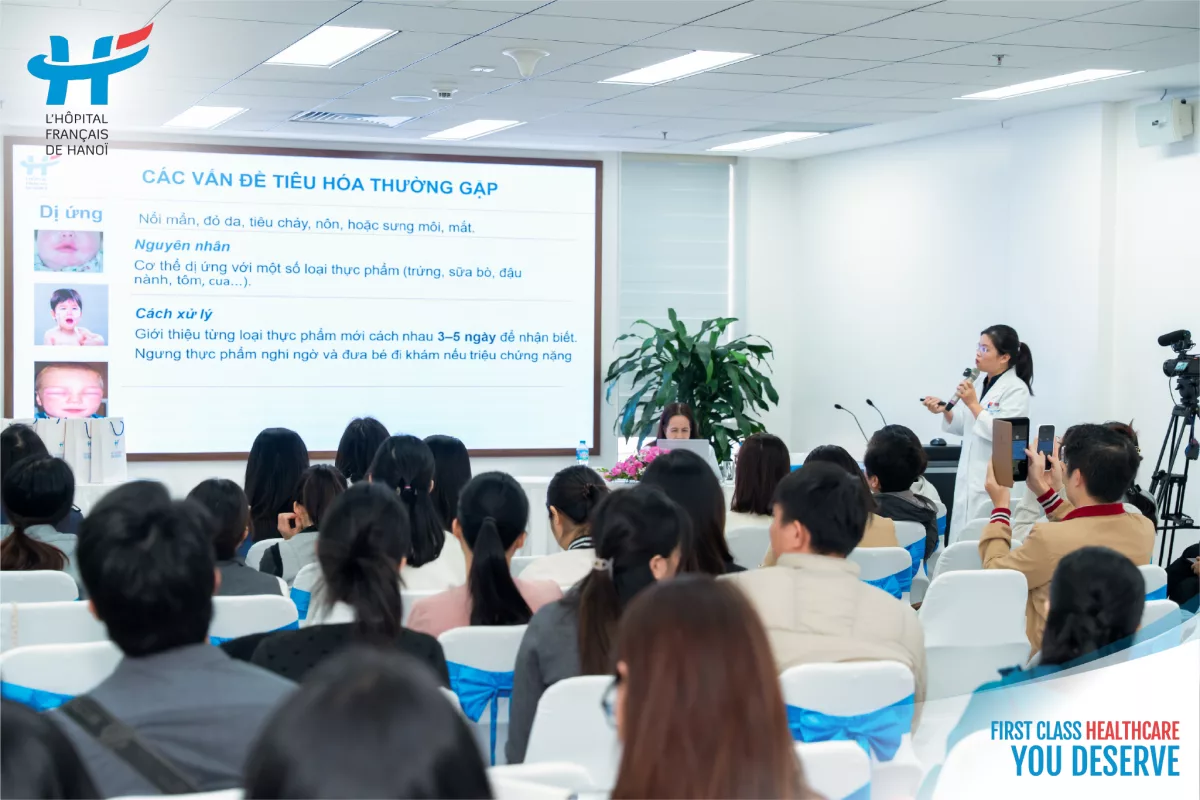
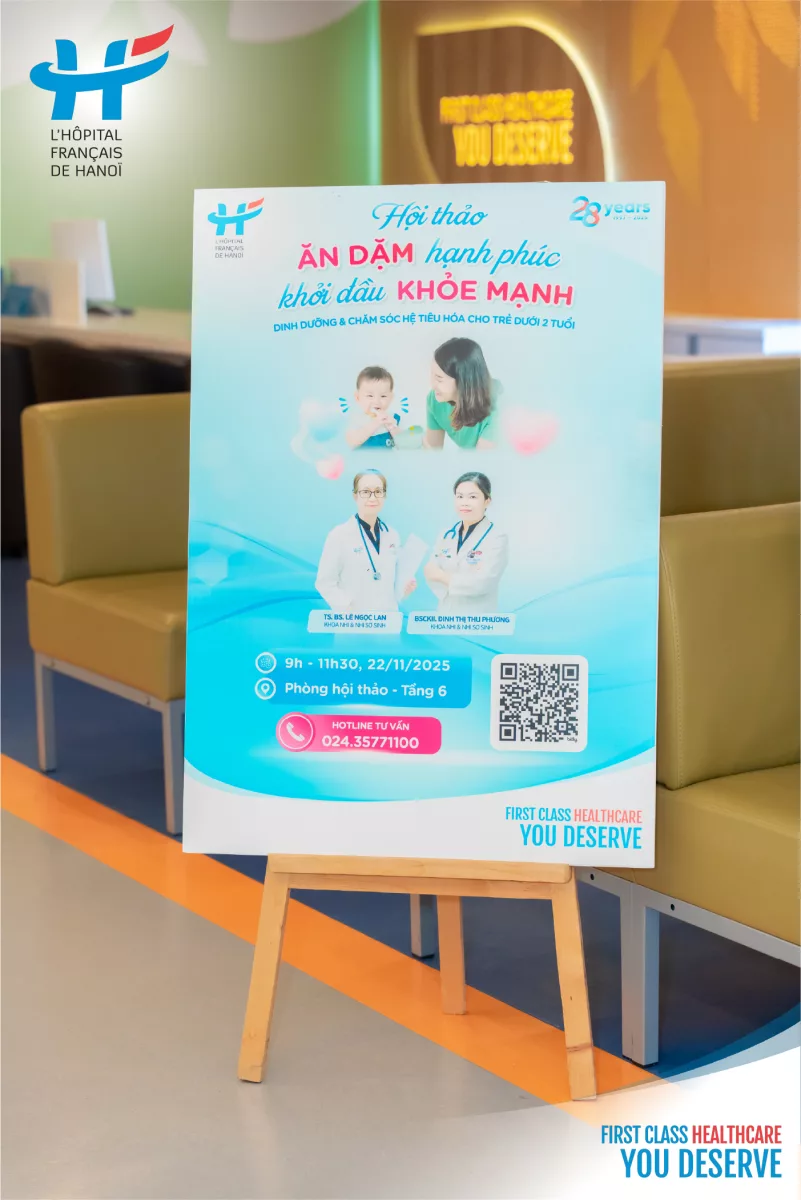
Dr. Le Ngoc Lan and Dr. Dinh Thi Thu Phuong, two experienced specialists from the Pediatrics and Neonatology departments, shared valuable insights on complementary feeding and common digestive issues that children may encounter. Key topics discussed by the doctors included:
The role of weaning: Weaning is not simply about giving children “extra food.” It is a process of familiarizing children with solid foods, learning to chew and swallow, and developing lifelong healthy eating habits. This stage is a crucial foundation for physical growth, brain development, and long-term eating behaviors.
Timing of weaning: The optimal time to start weaning is at six months, but not later than 26 weeks. Delayed weaning may increase the risk of nutritional deficiencies and food allergies.
Main food groups for weaning: Children should be introduced to a variety of foods, including breast milk, dairy products, animal protein, fruits, vegetables, nuts, and eggs. Protein intake should not exceed 15% of total energy to avoid the risk of obesity later. Early exposure to foods that may cause allergies can reduce the risk of food allergies in the future.
How to introduce foods: Introduce new foods one at a time, gradually increasing the quantity. Parents should avoid giving multiple new foods at once and be patient, as many children need 8–10 exposures to get familiar with a new food. The texture of food should gradually progress from soft to coarse, helping children practice chewing and swallowing. Gradually increasing portion sizes supports optimal growth.
Developing a child’s sense of self: Weaning is a new experience for children, involving their interaction with food and caregivers. Parents should foster a healthy sense of self by respecting the child’s emotions and preferences, offering age-appropriate choices, encouraging safe trial and error, giving specific and positive feedback, and creating joyful mealtimes that convey parental love.
Common digestive issues: The doctors shared guidance on common problems such as vomiting, constipation, diarrhea, and bloating, and offered practical advice on how to handle these situations gently and effectively.
When to seek medical advice: Parents were reminded to observe changes in stool patterns, eating behavior, and growth charts to detect abnormalities and seek medical attention when necessary.
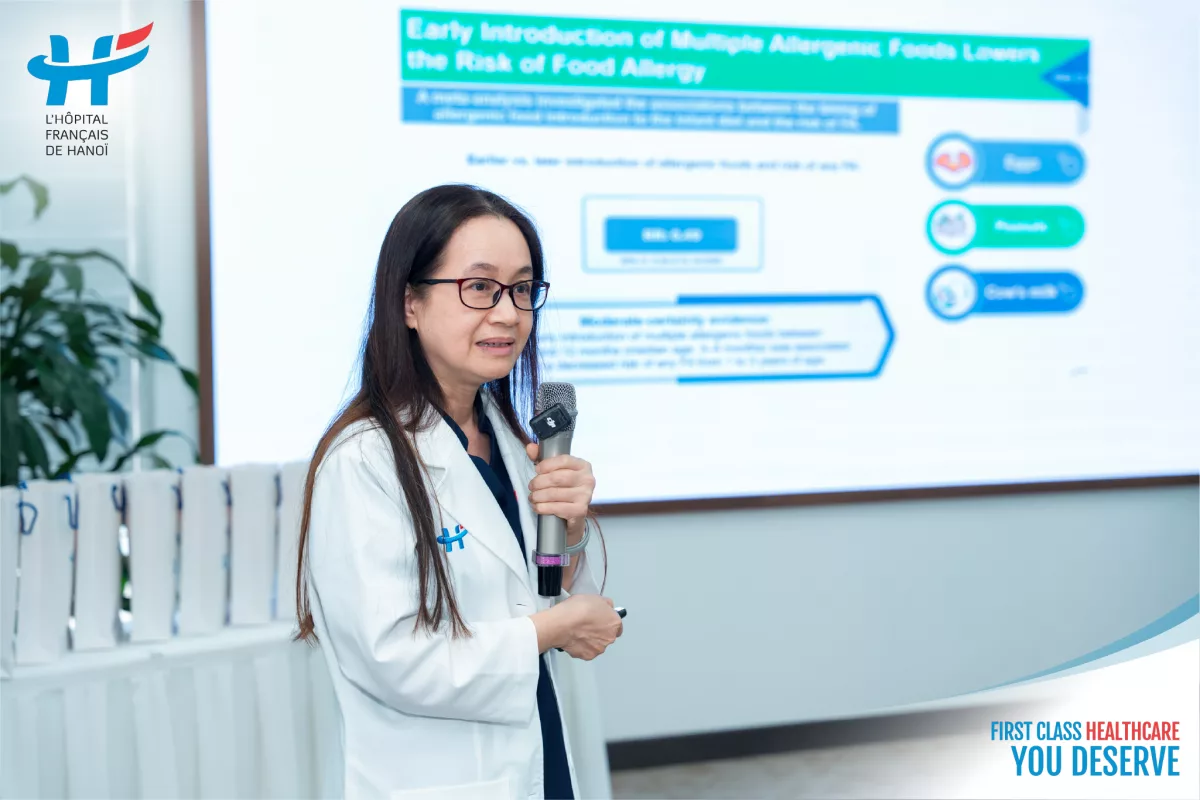
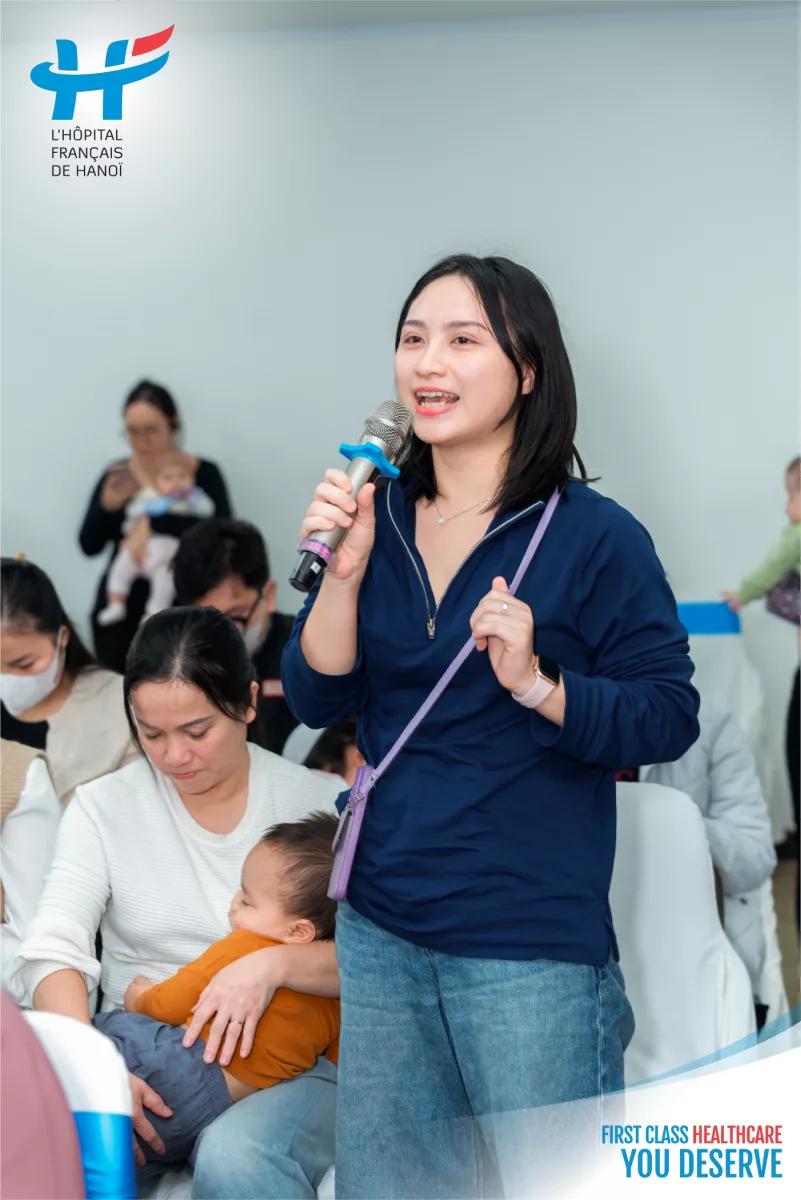
Attending the workshop, Ms. Nguyen Quynh Anh shared:
“The workshop provided me with a wealth of useful knowledge about weaning that I can apply to my child. All my questions were thoroughly answered by the doctors, which helped me expand my understanding and feel more confident in caring for my baby. I am truly grateful to the medical team at Hanoi French Hospital. I always look forward to the hospital’s monthly workshops and hope the hospital will continue to organize meaningful events like today’s, giving parents the chance to learn how to raise healthy and happy children.”
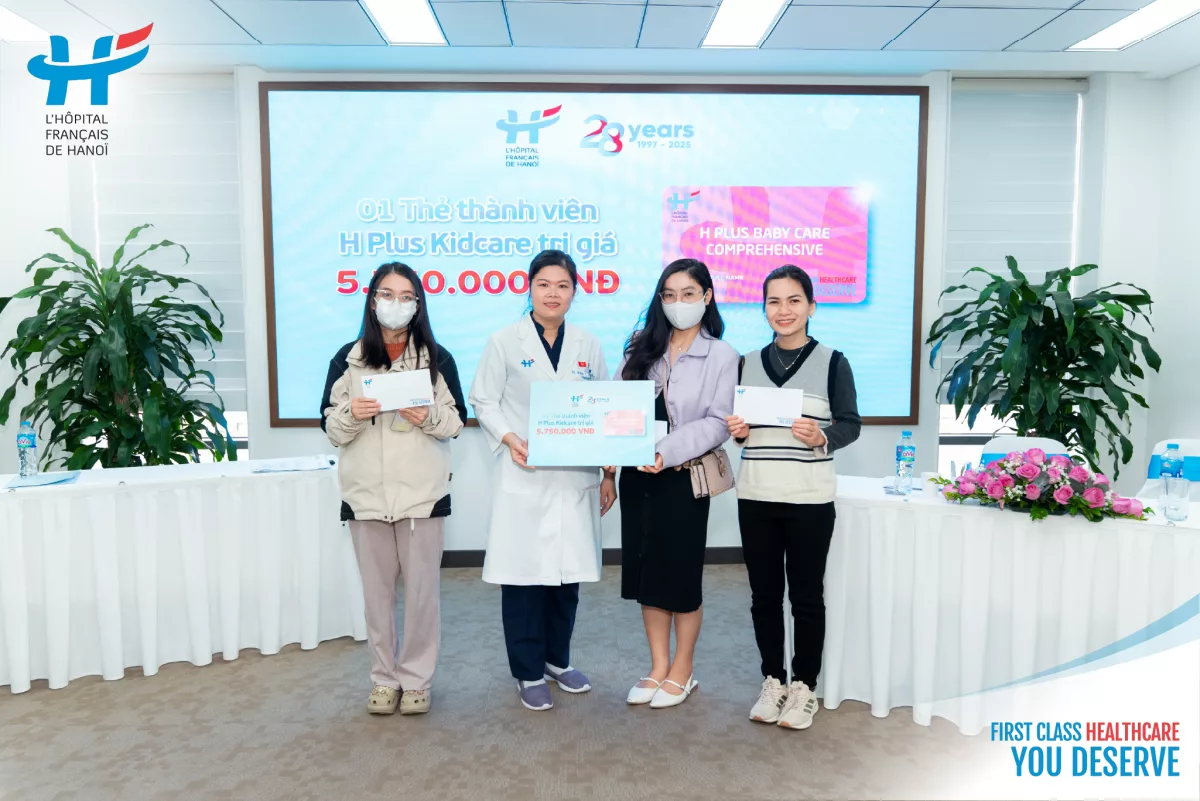
Hanoi French Hospital sincerely thanks all the parents and caregivers who participated in the workshop. We hope that the insights shared today will continue to support confidence and love on your journey of nurturing children to grow up healthy, happy, and full of joy.