 Tiếng Việt
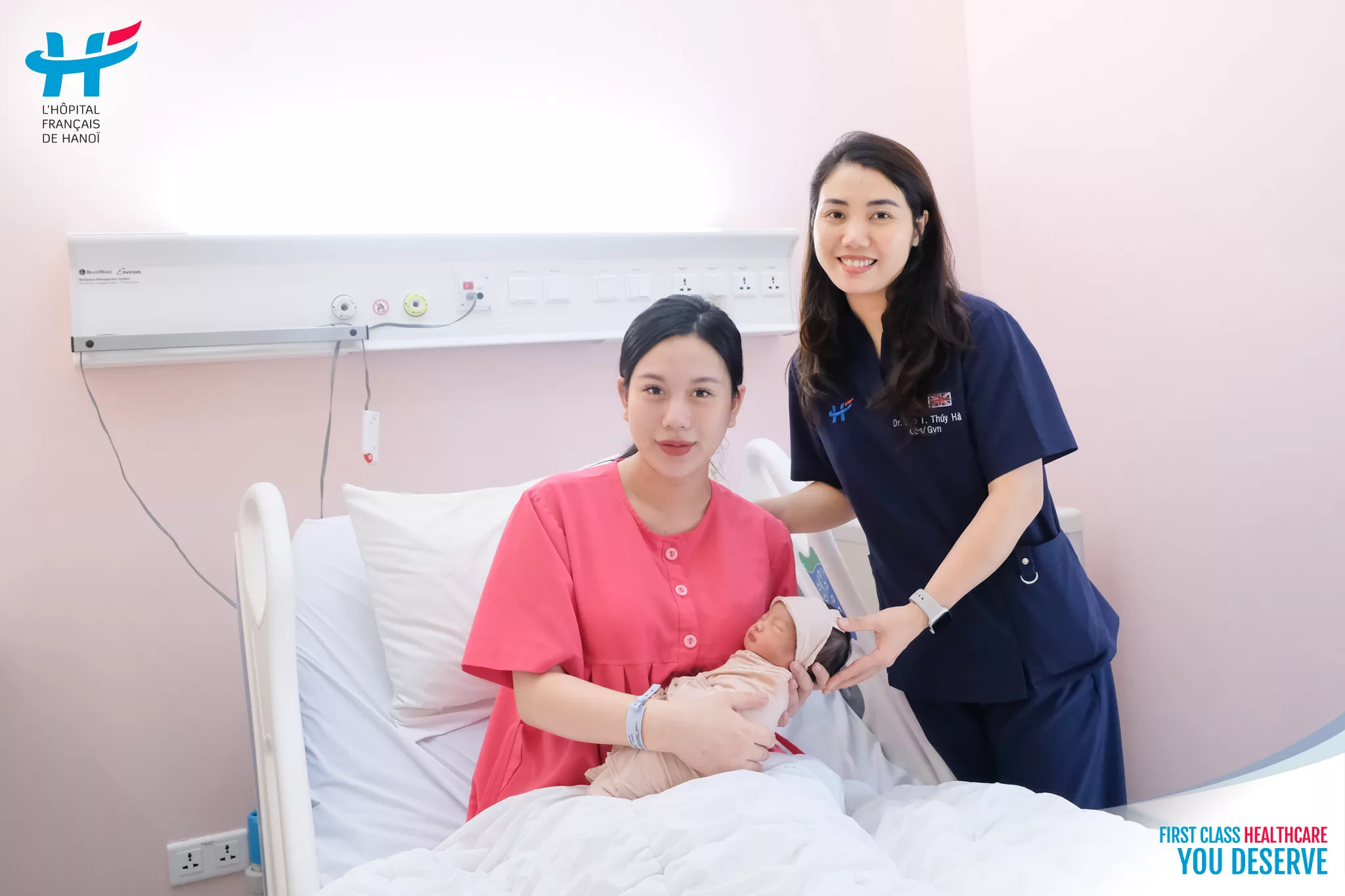

Dr. Cao Thi Thuy Ha, Deputy Head of the Department of Obstetrics & Gynecology and the doctor directly in charge of the pregnancy and delivery, shared:
“The patient was a young pregnant woman who had regular antenatal check-ups at Hanoi French Hospital (HFH) from the very early stages of pregnancy. The pregnancy progressed smoothly until the 32nd week, when ultrasound unexpectedly detected an irregular and abnormally rapid fetal heart rate. Fetal monitoring showed a heart rate of over 200 beats per minute.
Based on clinical and paraclinical findings, the fetus was diagnosed with Supraventricular Tachycardia (SVT) – a rare cardiac arrhythmia during pregnancy which, if not detected and treated promptly, can lead to serious complications such as fetal heart failure, hydrops, or the need for premature termination of pregnancy.”
Multidisciplinary Consultation – Timely and Accurate Treatment
As soon as the abnormal signs were detected, the Obstetrics & Gynecology team at HFH quickly coordinated a multidisciplinary consultation with Cardiology and Pediatric Cardiology specialists to comprehensively assess the risks.
After agreeing on the treatment plan, the doctors decided to use transplacental drug therapy to control the fetal heart rate. The mother was closely monitored throughout the treatment process, including:
Regular fetal echocardiography to assess treatment response
Close monitoring of safety parameters to ensure both treatment effectiveness and maternal well-being
By the 36th week of pregnancy, ultrasound confirmed that the fetal cardiac function had returned to normal and the heart rate was within the physiological range.
Safe Labor and Natural Delivery at 40 Weeks
At 40 weeks of gestation, the mother had not yet gone into spontaneous labor, so the doctors decided to induce labor using a cervical balloon catheter. She subsequently had a smooth vaginal delivery, and the baby was born healthy.
After birth, the newborn was closely monitored in the Pediatrics Department, especially for heart rhythm and signs of heart failure. The results showed that the baby remained completely stable and did not require any anti-arrhythmic medication.
This case highlights the importance of early detection through routine ultrasound examinations and the close collaboration between specialized departments in managing complex pregnancy situations.
Dr. Ha recommends that pregnant women:
- Attend regular antenatal visits and ultrasounds as scheduled
- Choose medical facilities with strong multidisciplinary systems and close specialist collaboration
- Understand that many pregnancy complications, when detected and managed early, still allow for safe natural delivery and healthy neonatal outcomes
At Hanoi French Hospital, pregnancy complications are closely monitored under a multidisciplinary care model following European and American standards. With an experienced medical team and modern medical equipment, HFH accompanies mothers through every important decision, ensuring peace of mind and the safest, most fulfilling birth experience possible.
