 Tiếng Việt
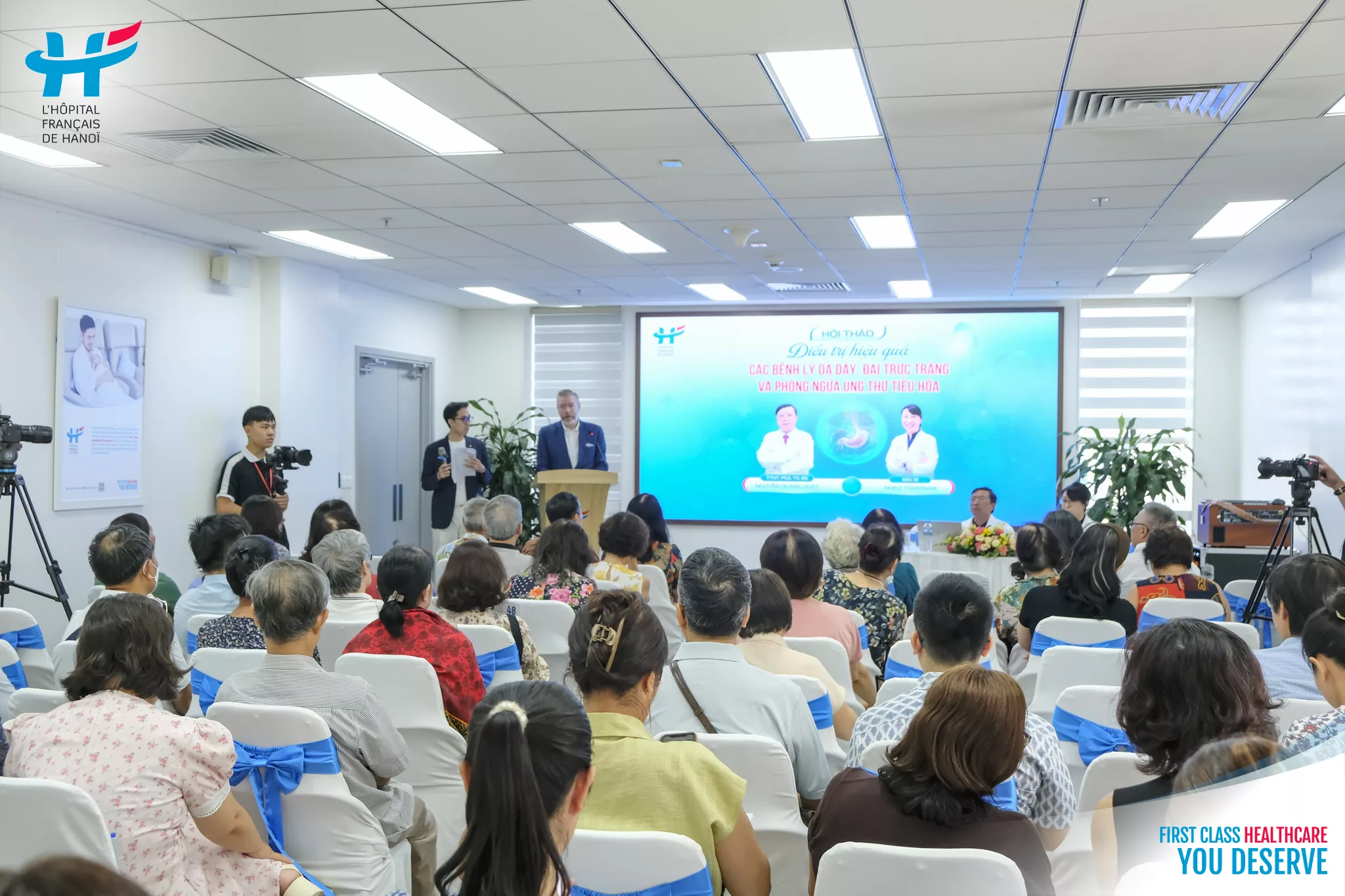
Delivering the opening remarks at the workshop, Mr. Magnus Ericsson, Deputy General Director of Hanoi French Hospital, shared: “At Hanoi French Hospital, we believe that a great hospital does not only treat illness. It helps the community it serves understand how to stay well. This workshop is a direct reflection of that”.
The event began with the presentation “The Digestive System – the Root of Life and Colorectal Cancer Screening” by Assoc. Prof. Dr. Nguyen Quang Duat, Gastroenterology & Hepatology Department, Hanoi French Hospital. He emphasized that the digestive system is not only responsible for metabolism and nutrient absorption, but is also closely connected to immunity, physical health, and mental well-being. When the digestive system is not healthy, patients may experience disorders such as constipation, diarrhea, bloating, indigestion, or common conditions including gastroesophageal reflux disease, peptic ulcer disease, irritable bowel syndrome, polyps, and colorectal cancer.
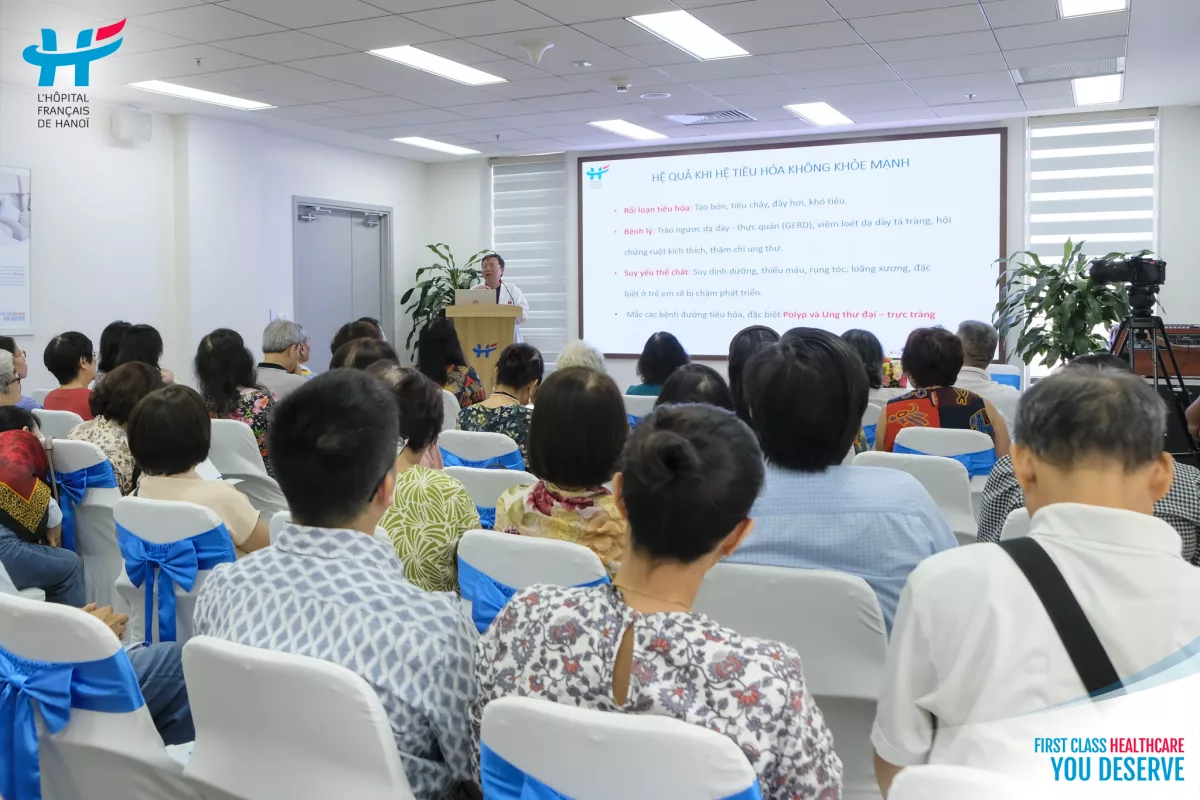
A key focus of the presentation was colorectal cancer, one of the most common cancers worldwide and in Vietnam. According to Dr. Duat, colorectal cancer can be detected early, which helps make treatment more effective. People aged 45 and above, or earlier for those in high-risk groups, should seek medical advice on colorectal cancer screening.
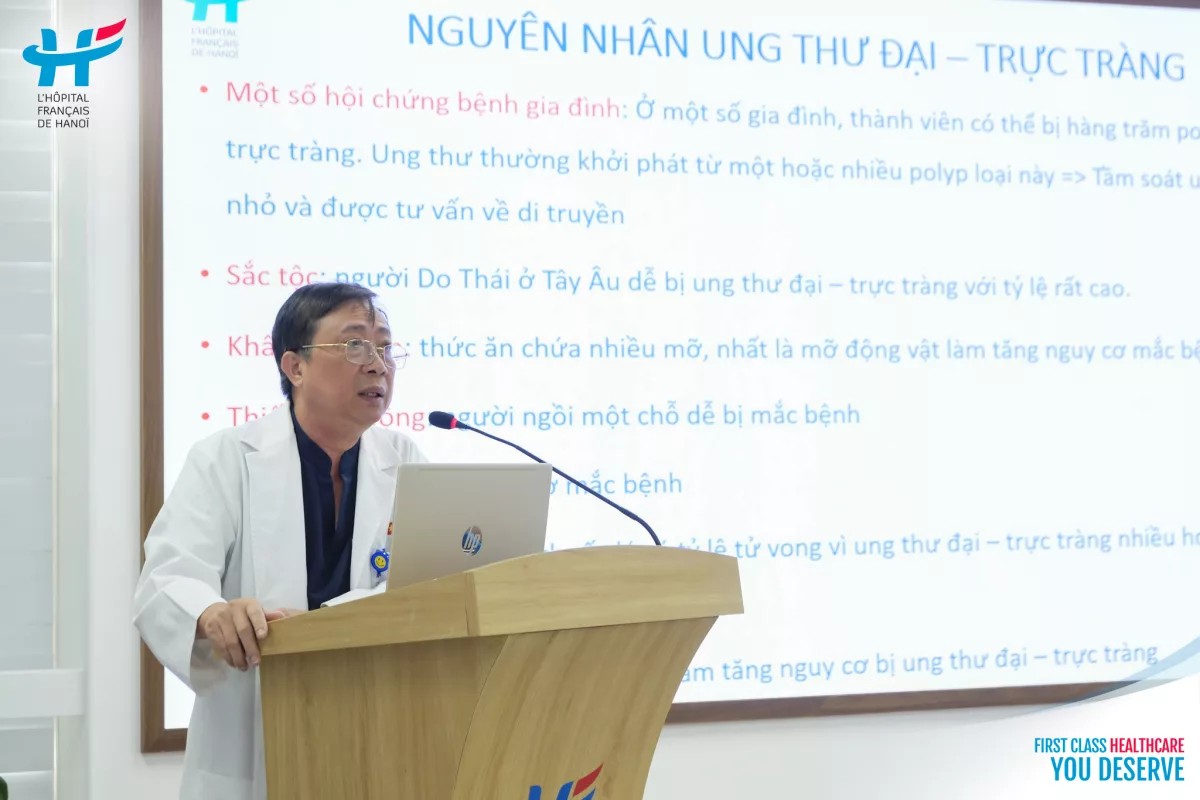
Current methods for early diagnosis include stool tests, blood tests, imaging, and colonoscopy. Among these, colonoscopy plays a particularly important role and is considered the “gold standard” in the early diagnosis of colorectal cancer.
To raise public awareness of screening, Dr. Duat shared a rare clinical case of a female patient with primary colonic non-Hodgkin lymphoma, a rare malignant disease of the lymphatic system in the intestine. After treatment, the patient responded well, her symptoms disappeared, and follow-up colonoscopy showed no residual or recurrent lesions. Through this case, Dr. Duat emphasized that screening should be personalized according to each individual’s risk group. At the same time, a previously normal test result does not mean that patients should be complacent when new, unusual, or persistent symptoms appear.
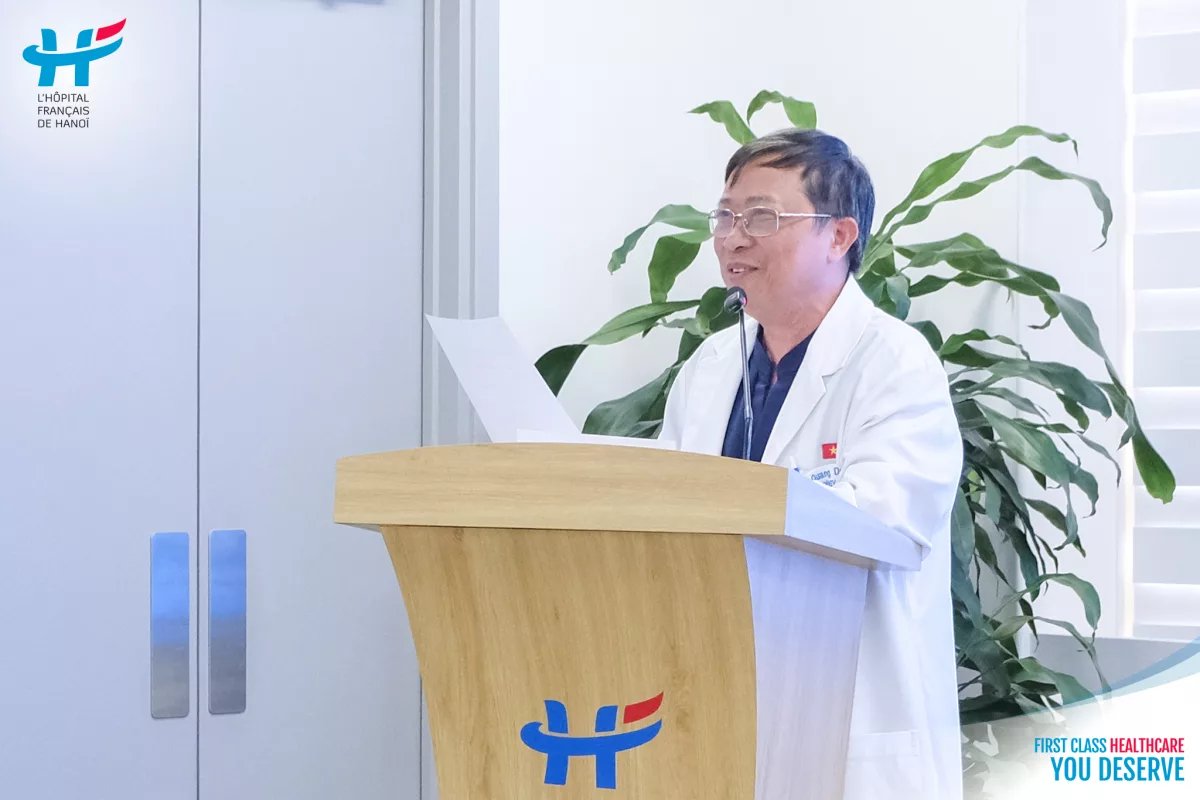
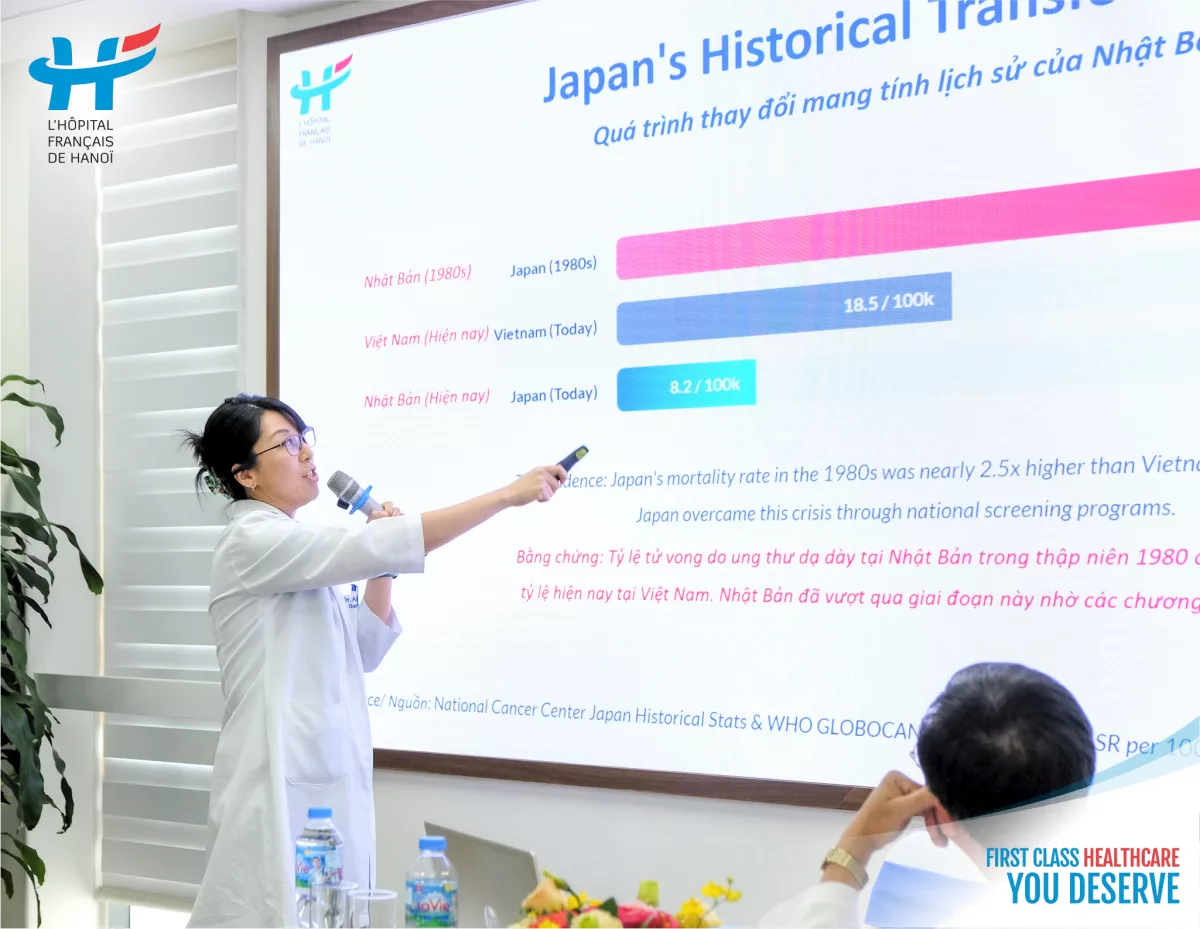
Continuing the program, Dr. Akiko Tomonari, Gastroenterology & Hepatology Department, Hanoi French Hospital, shared insights on protecting gastric health and preventing gastrointestinal cancer, drawing on Japan’s excellence in this field, and how to adapt its practical application in Vietnam. According to her presentation, Japan once had a very high mortality rate from gastric cancer in the 1980s, but this significantly improved thanks to national screening programs and strategies for detecting the disease at an early stage.
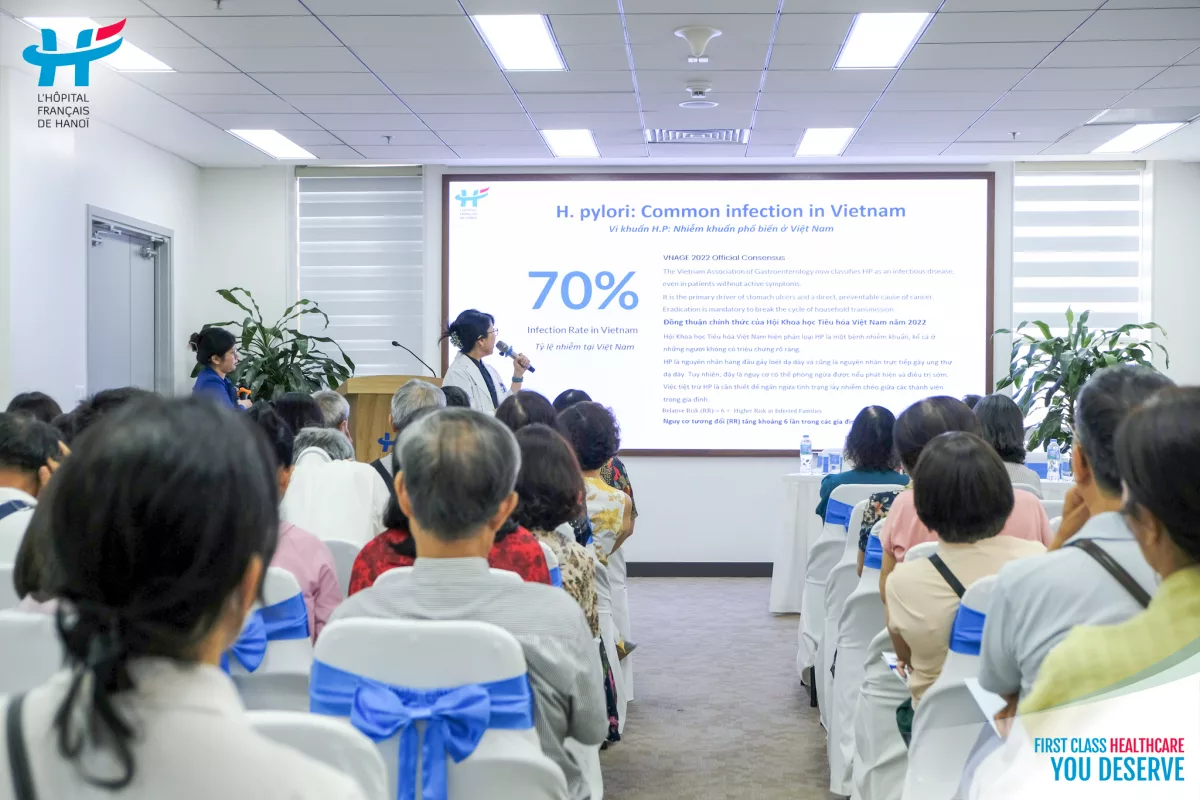
Among the factors affecting gastric health, Helicobacter pylori (H. pylori) is a common cause of gastric ulcers and increases the risk of gastric cancer. Dr. Akiko Tomonari noted that, in the context of antibiotic resistance in Vietnam, patients should not self-medicate or receive treatment based solely on empirical practice. The treatment regimen should be selected by a specialist according to each individual case. Three to four weeks after completing the treatment course, patients should undergo a urea breath test to confirm treatment effectiveness. Family members of a person infected with H. pylori should also be tested and take preventive measures to reduce the risk of transmission.
The doctor also highlighted warning signs that require medical consultation, including persistent dull abdominal pain or bloating, early satiety, unexplained weight loss, black stools, persistent nausea or acid reflux, or a family history of gastric cancer. These symptoms should not be overlooked, especially in people with risk factors.
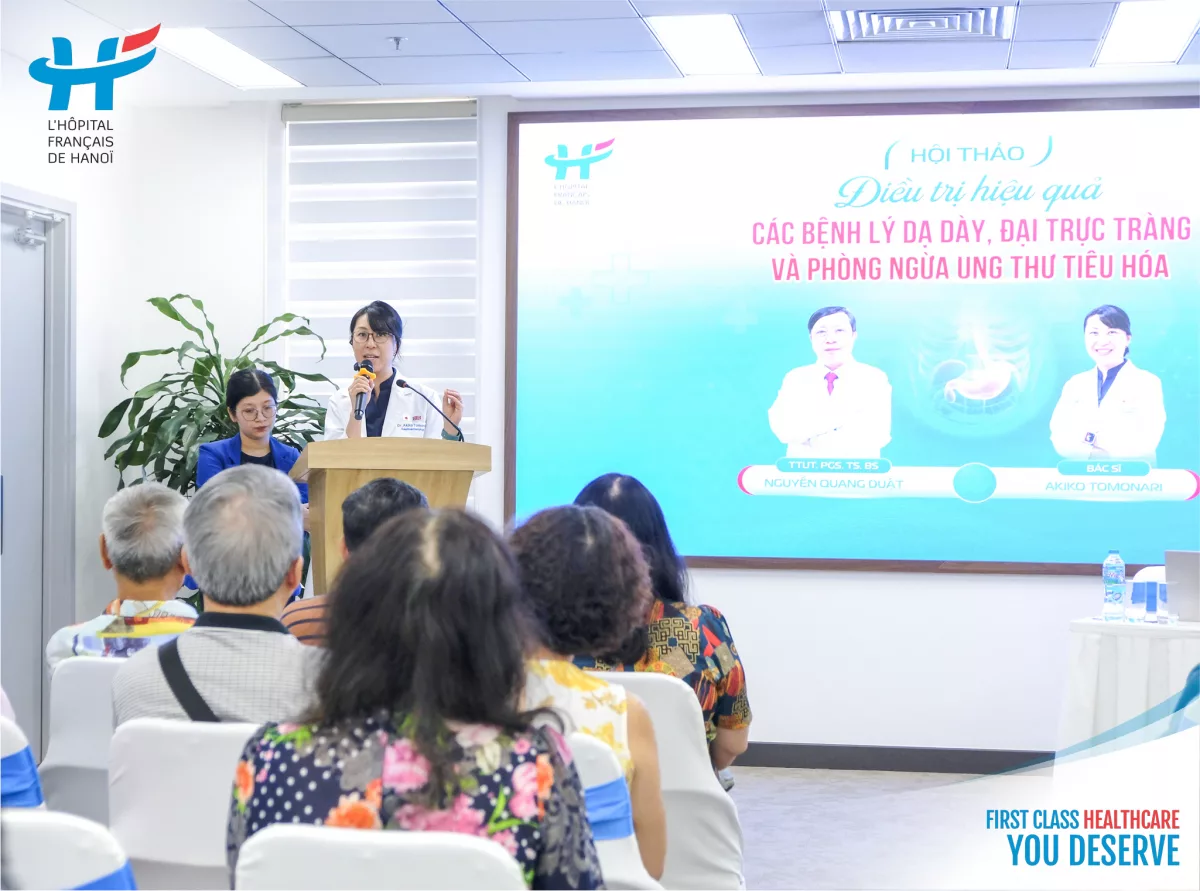
Early screening from the age of 40 can provide important guidance for monitoring and protecting gastric health in particular and digestive health in general. With modern endoscopic technology, doctors can detect pre-cancerous lesions early, then treat and control them to help prevent gastrointestinal cancer.
The workshop attracted the participation of 120 guests. During the Q&A session, many practical questions about gastrointestinal endoscopy, H. pylori infection, gastritis treatment, colorectal polyps, and gastrointestinal cancer screening were answered directly by the doctors. This helped participants gain a clearer understanding of how to take proactive care of their own health and their family’s health.
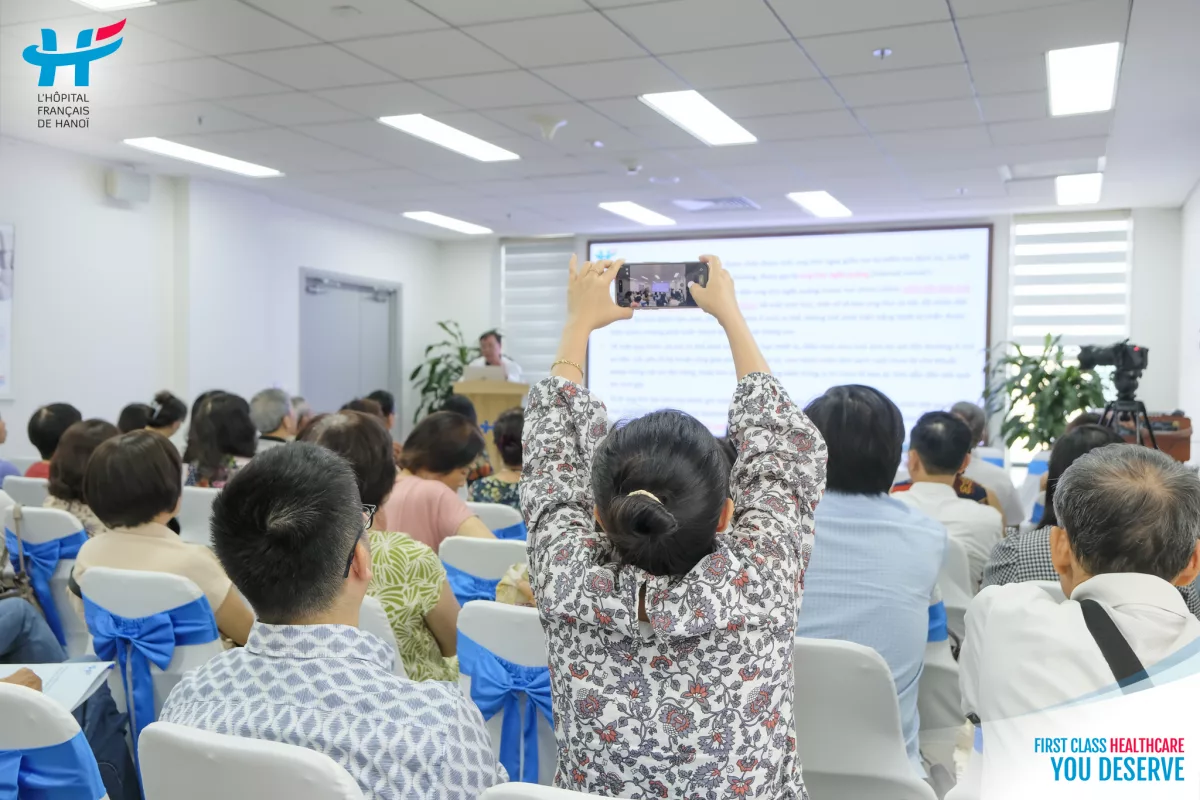
Hanoi French Hospital sincerely thanks all guests for taking the time to attend and actively engage in the discussion, helping make the workshop more practical and valuable. We look forward to welcoming you again at our upcoming events.
