
 Tiếng Việt
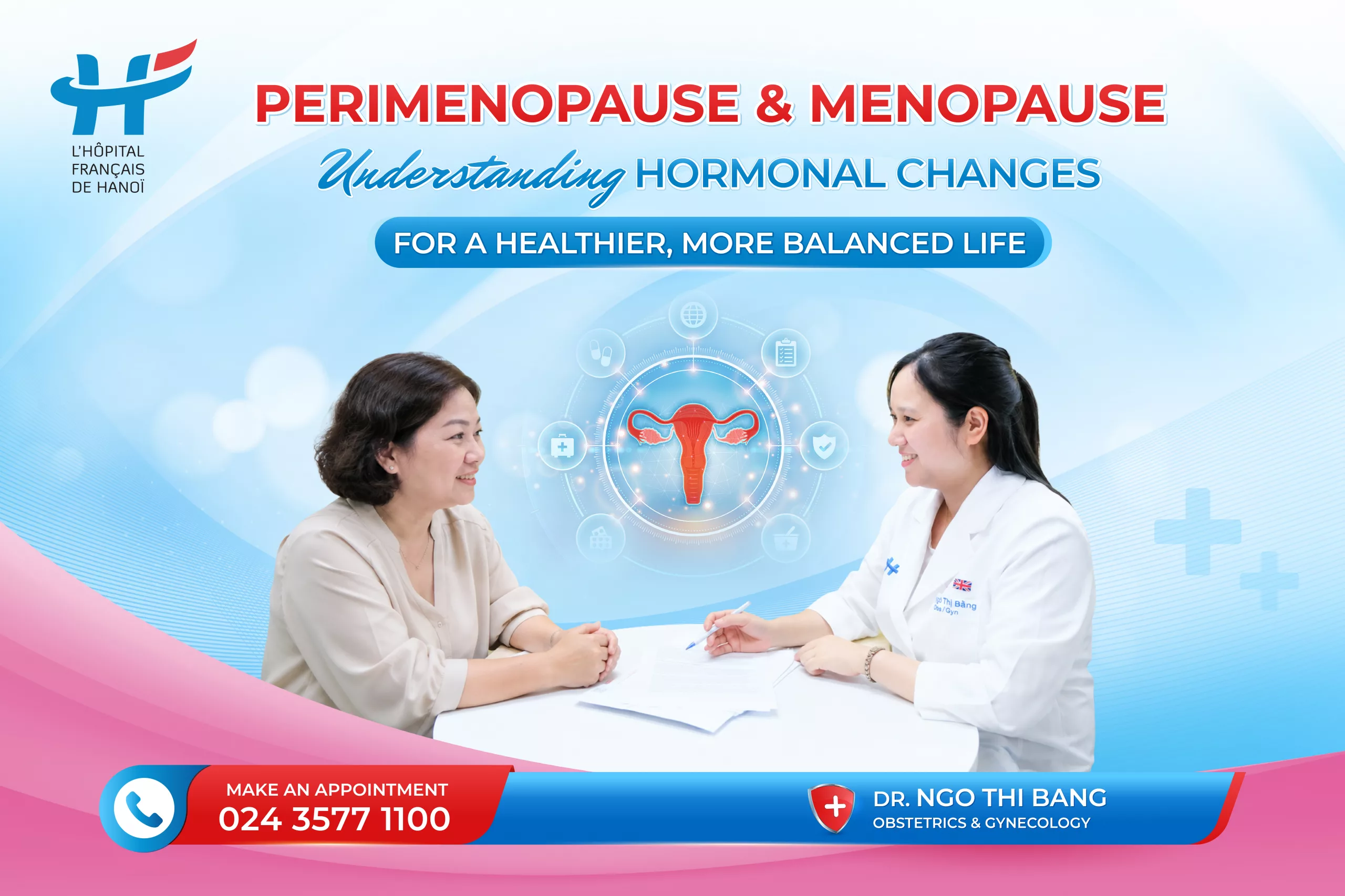
According to Dr Ngo Thi Bang, Department of Obstetrics & Gynecology, Hanoi French Hospital (HFH), these changes are not simply a normal part of ageing or “just stress”. They are often linked to hormonal changes during perimenopause and menopause. Understanding the underlying cause allows women to seek appropriate care and receive the right treatment at the right time.
Hormonal changes affect more than the reproductive system
Although estrogen’s main function is to regulate the menstrual cycle, it also plays an essential role in many other organs and body systems, including the brain, cardiovascular system, bones, skin, and the urinary and reproductive systems.
As estrogen levels decline, these systems may also be affected. The impact varies from one woman to another. While some experience only mild changes, others may find that hormonal fluctuations begin to affect their daily activities, work, relationships, and overall quality of life.
Because many of these changes are non-specific, they can easily be mistaken for other health conditions. Bone and joint pain may be attributed to ageing or osteoporosis, persistent insomnia may be treated as a sleep disorder, and memory difficulties or mood changes may be mistaken for stress or other psychological conditions. A comprehensive medical assessment is therefore important to identify the underlying cause and recommend the most appropriate treatment.
Treatment is about more than symptom relief
Many women believe that menopause is simply something they have to “put up with.” However, when hormonal changes begin to affect daily life, seeking medical advice can make a significant difference.
During your consultation, your doctor will assess your overall health, medical history, lifestyle, cardiovascular and osteoporosis risk, and any hormone-related conditions, while also taking your personal concerns and treatment goals into account. Based on this comprehensive evaluation, an individualized treatment plan will be developed.
When should you see a doctor?
You should consider consulting a gynecologist if you experience any of the following:
- Frequent hot flushes or night sweats.
- Persistent insomnia or poor-quality sleep.
- Ongoing anxiety, low mood, irritability, or noticeable emotional changes.
- Irregular periods or abnormal uterine bleeding.
- Vaginal dryness, discomfort during intercourse, or changes in sexual well-being.
- Symptoms that interfere with your work, daily activities, relationships, or family life.
At Hanoi French Hospital, our specialists in Obstetrics & Gynecology provide comprehensive assessment, personalized treatment plans, and long-term care tailored to each woman’s individual needs.
Perimenopause and menopause are no longer stages of life that women simply have to endure. As life expectancy increases, maintaining good health and quality of life during midlife and beyond has become increasingly important. With timely assessment and appropriate treatment, most menopausal symptoms can be effectively managed, allowing women to stay healthy, confident, and continue enjoying an active and fulfilling life.
For more information or to schedule an appointment with our Gynecologists, you can contact our specialist medical teams in the following ways:
Hanoi French Hospital (HFH)
Address: No. 1 Phuong Mai Street, Kim Lien Ward, Hanoi
Consultation hotline: 024.35771100
WhatsApp: +84 903 497 078
