 Tiếng Việt
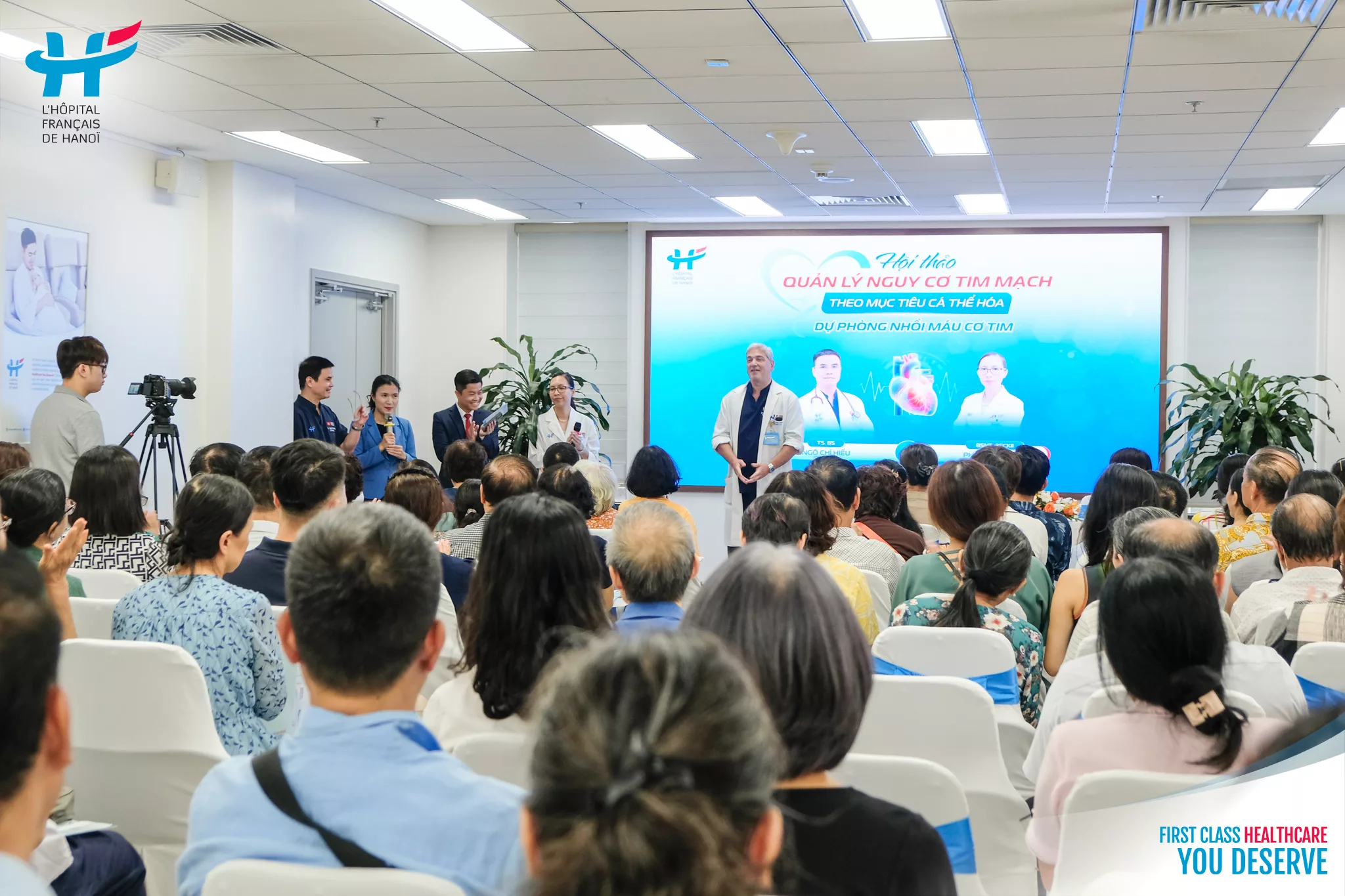
At the workshop, Dr. Ngo Chi Hieu, Clinical & Interventional Cardiology Department – Hanoi French Hospital, shared practical information about myocardial infarction and stroke. These are two of the five major groups of cardiovascular diseases and are both medical emergencies that can be life-threatening or result in disabling complications.
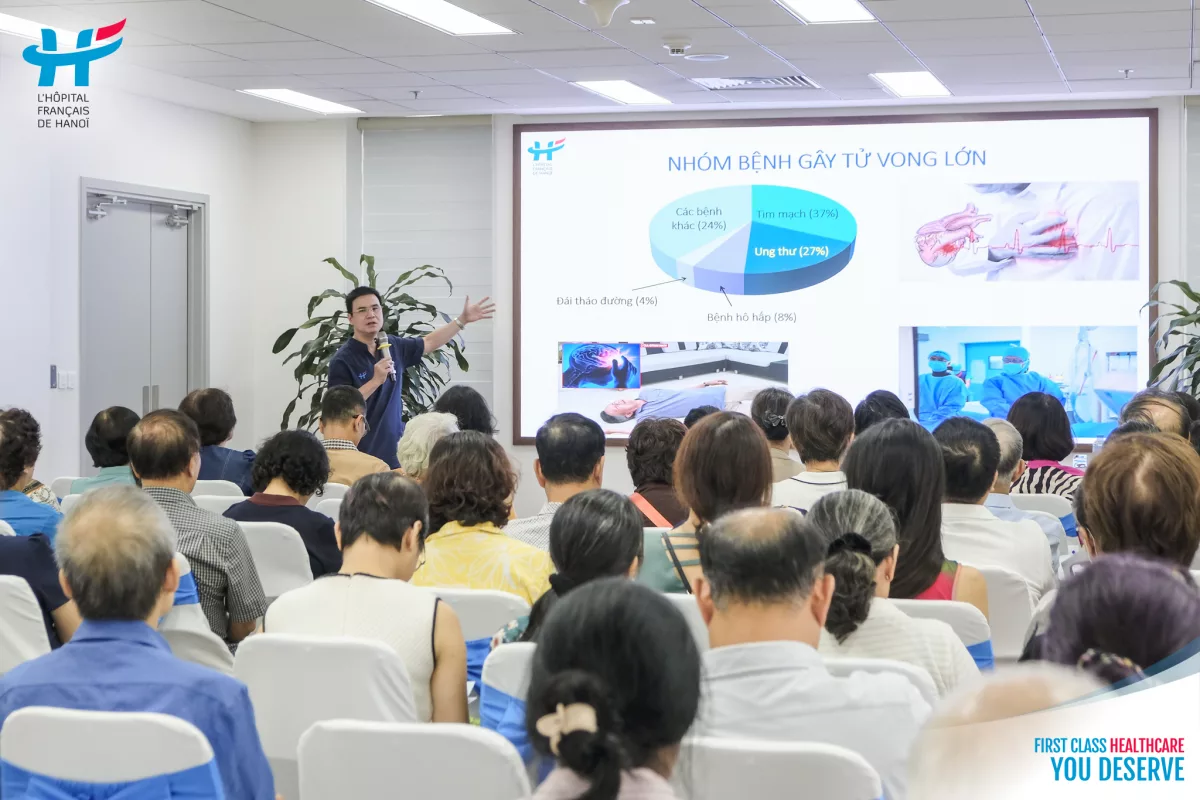
Using clear and engaging visual illustrations, Dr. Hieu explained the mechanisms, symptoms, main diagnostic methods and key treatment principles for each event. He particularly emphasized that early recognition of symptoms, promptly calling emergency services and taking the patient to a medical facility capable of providing timely diagnosis and intervention are crucial to improving the chances of survival and reducing long-term disability.
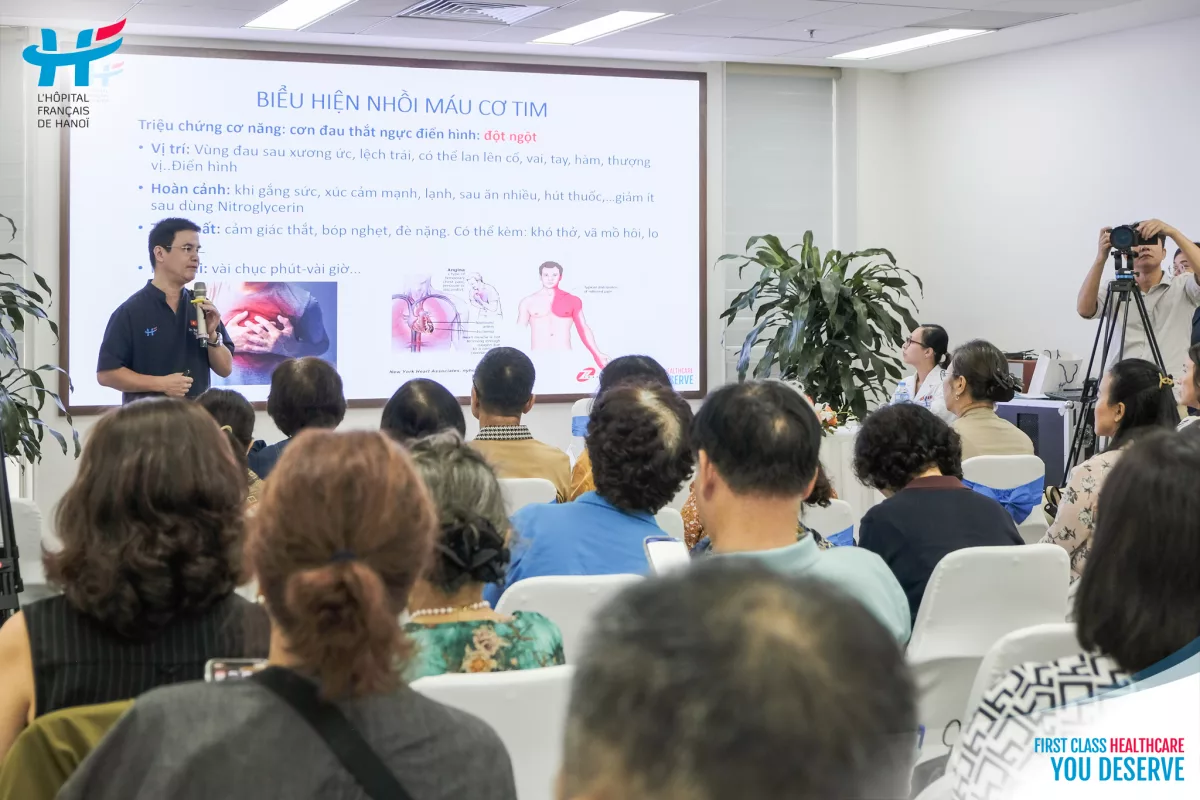
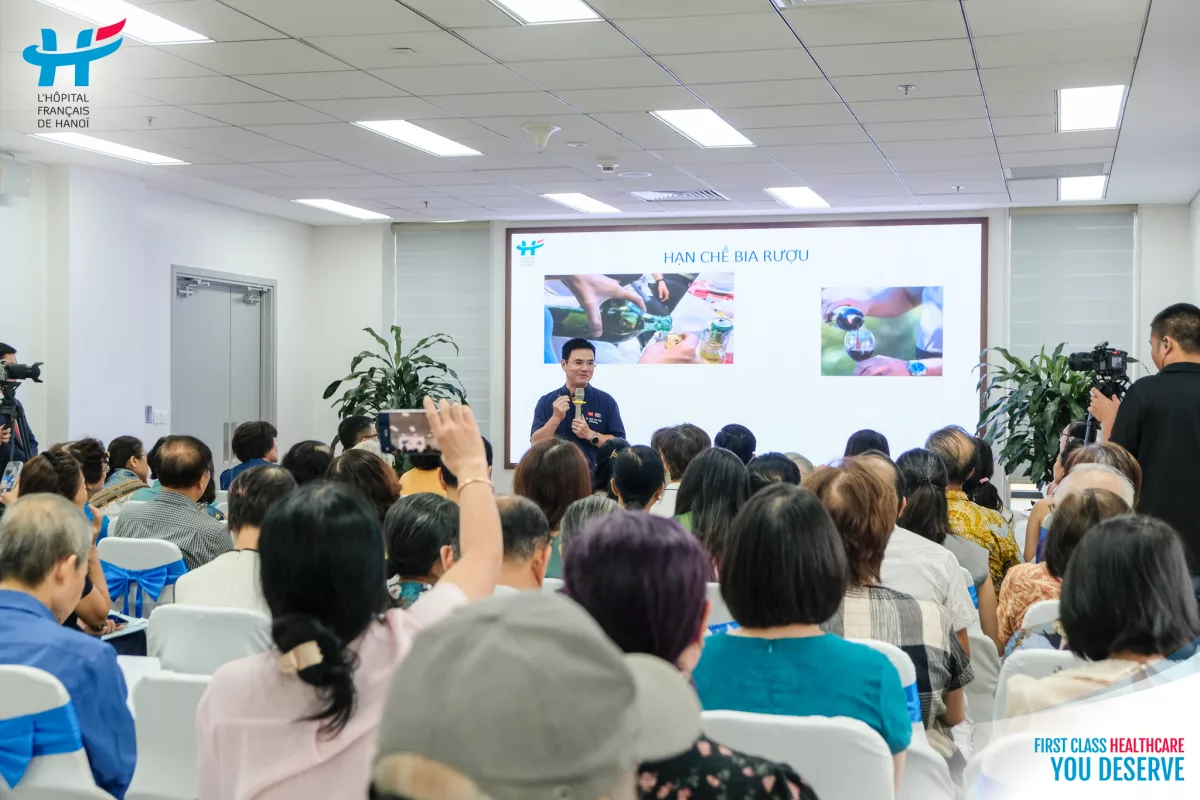
In addition, the number of patients experiencing myocardial infarction and stroke is increasing, with these conditions occurring at progressively younger ages. Statistics show that younger patients account for approximately one-quarter to one-third of all stroke cases. People should therefore take proactive steps to protect their health through regular check-ups and early screening, combined with lifestyle changes and effective management of chronic conditions to reduce the risk of cardiovascular events.
Continuing the program, Dr. Pham Thu Thuy, Clinical & Interventional Cardiology Department – Hanoi French Hospital, provided guests with the latest information on cardiovascular-kidney-metabolic (CKM) syndrome. In June, the first official comprehensive clinical guideline on this syndrome was jointly issued by the American Heart Association (AHA), American College of Cardiology (ACC), American Diabetes Association (ADA) and American Society of Nephrology (ASN).
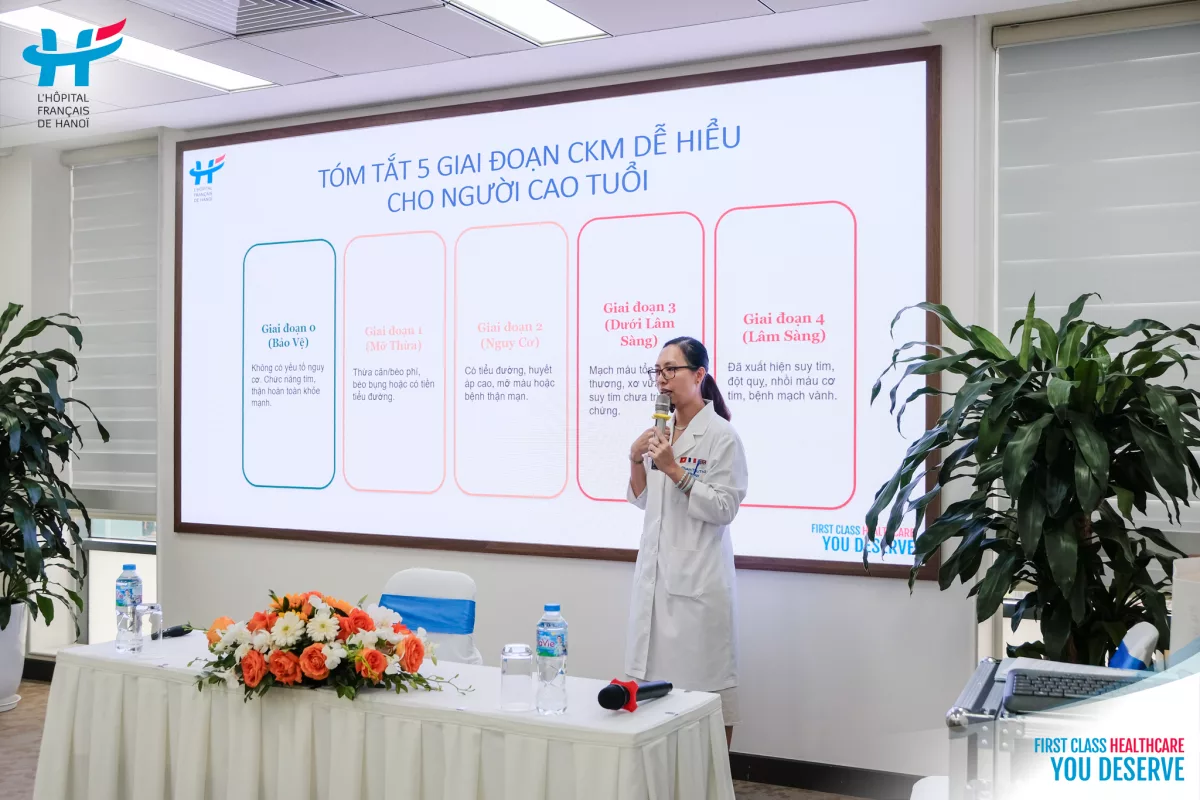
Through a detailed explanation of the syndrome and real-life clinical cases, Dr. Thuy helped guests better understand the connections between cardiovascular health, kidney function and metabolic factors. When identified early, some abnormalities in the initial stages can be improved through lifestyle changes and effective risk-factor management. This provides a valuable opportunity to “reverse” the disease stage and prevent serious chronic complications.
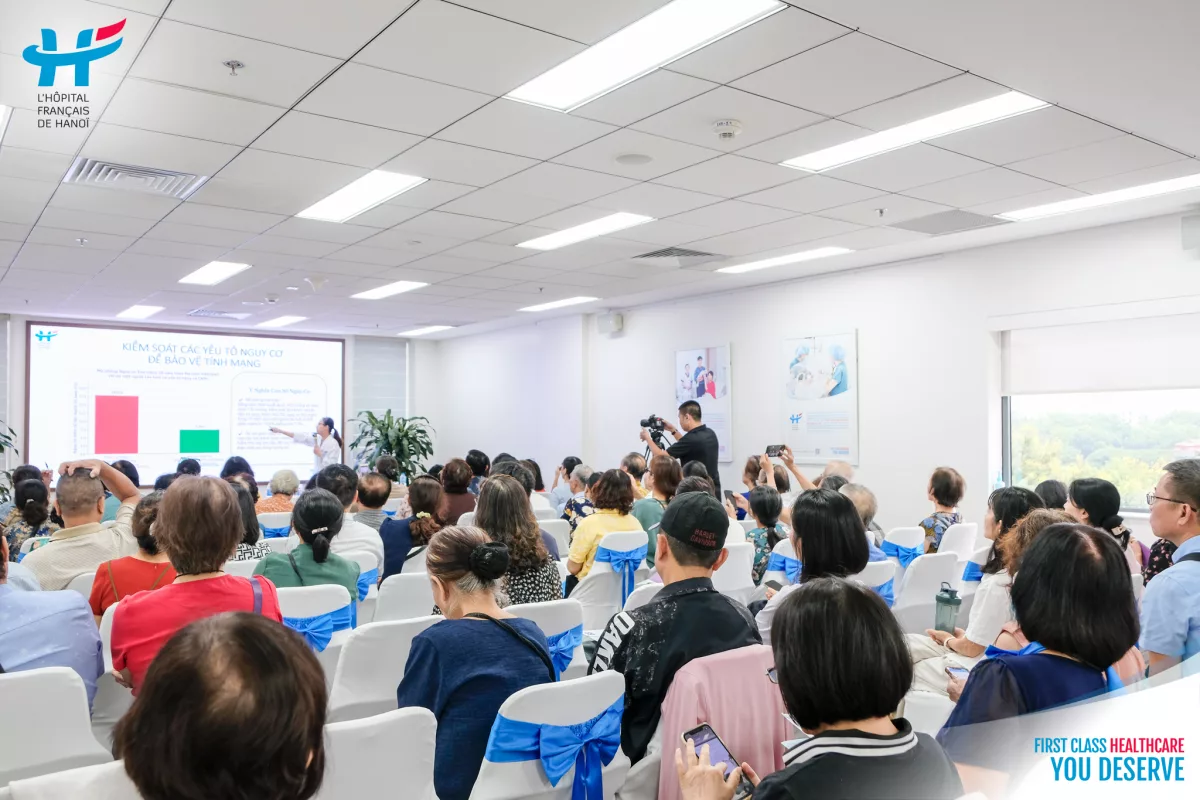
A coordinated care model involving cardiologists, endocrinologists, nephrologists and family physicians enables patients to receive comprehensive assessment and treatment, rather than having each condition managed separately. This approach also helps align treatment goals and minimize overlap throughout the care process.
Dr. Thuy also emphasized that seemingly small lifestyle changes, such as reducing salt intake, adjusting carbohydrate consumption or walking for approximately 30 minutes each day, can deliver significant long-term benefits when maintained consistently. Older adults should regularly monitor their blood pressure and blood glucose levels and, following their doctor’s advice, consider having a urine albumin-to-creatinine ratio (UACR) test at least once a year. They should also take medications as prescribed and adhere to their treatment plans.
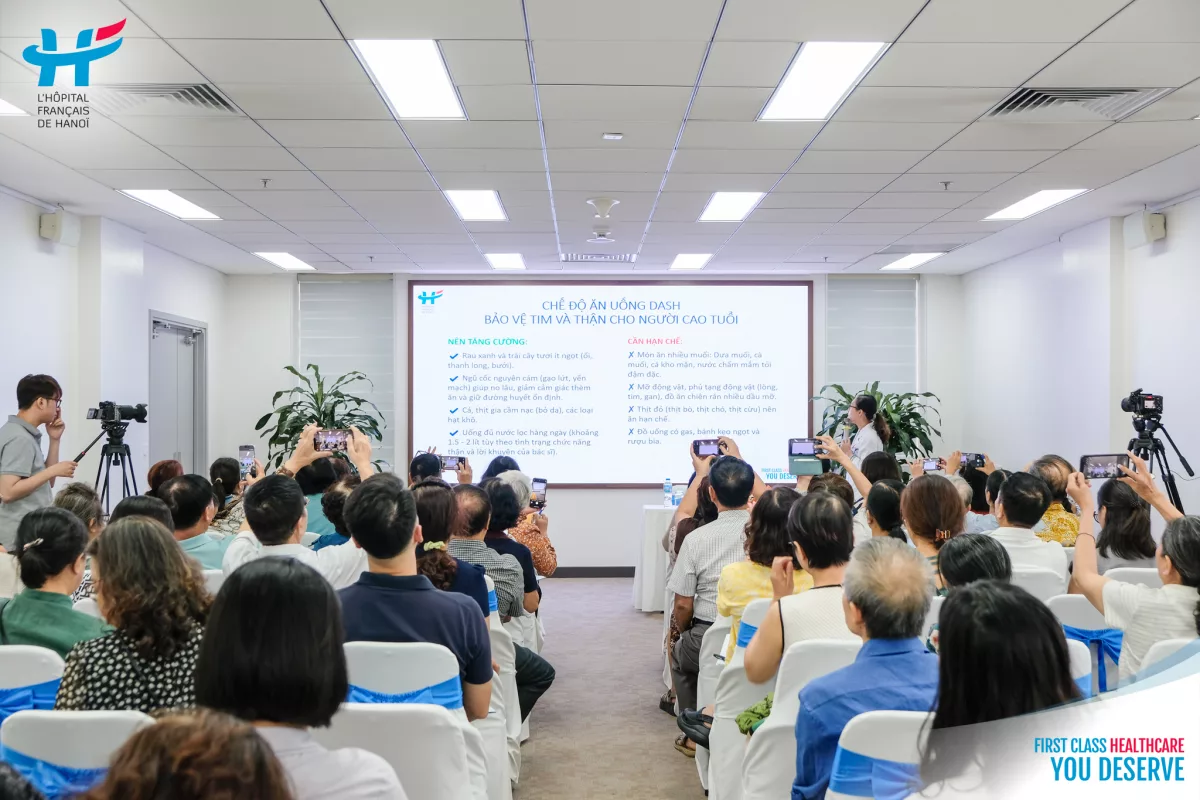
During the Q&A session at the end of the workshop, guests had the opportunity to raise their concerns directly and receive personalized advice from the doctors. The questions reflected the community’s interest not only in recognizing warning signs early, but also in assessing their individual risk, managing coexisting conditions and proactively preventing cardiovascular events.
This is also the approach to care adopted at Hanoi French Hospital. Guided by a patient-centered philosophy, the hospital’s cardiology specialists carefully assess each patient’s health status, related conditions and overall cardiovascular risk to establish appropriate personalized treatment goals and plans, supported by close multidisciplinary coordination.
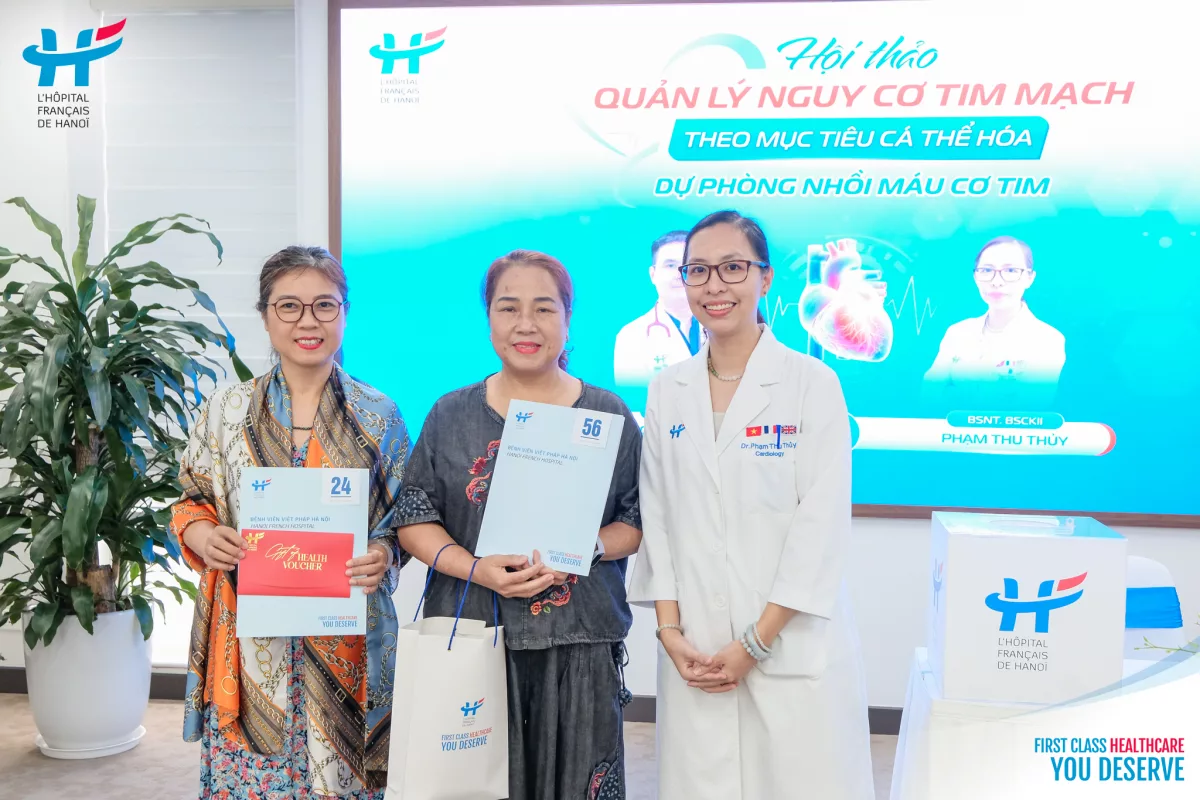
Hanoi French Hospital sincerely thanks all our guests for taking the time to attend and actively participate in the discussions, helping to make the workshop more practical and valuable. We look forward to welcoming you to our future events.
