
 Tiếng Việt
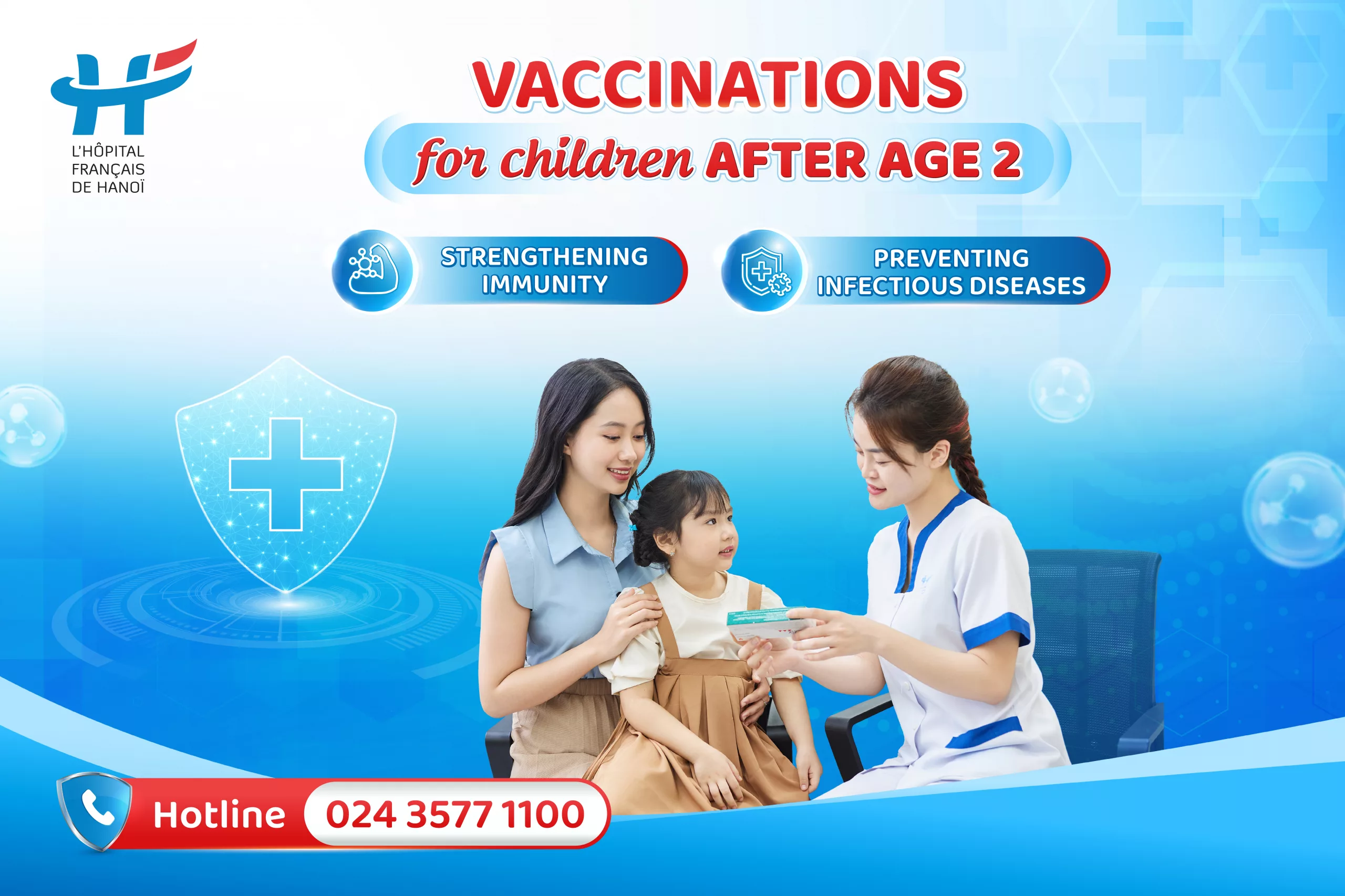
Therefore, booster doses and additional vaccinations are essential to maintain long-term protection and ensure optimal health for children.
Each vaccine provides protection for a different duration. Receiving vaccinations on time and in full helps to:
- Maintain effective protective antibody levels
- Reduce the risk of infection and limit disease transmission, especially in school environments
- Prevent serious complications such as encephalitis, pneumonia, polio, permanent hearing loss, or infertility
1. Booster vaccinations
Booster doses help the immune system “re-recognize” antigens and generate a faster and stronger response upon exposure:
- Diphtheria – Pertussis – Tetanus: Booster at 4–6 years old, then every 5–10 years
- Measles – Mumps – Rubella: May require a booster at 4–6 years old
- Varicella: Two doses recommended for long-lasting immunity and reduced risk of complications
- Japanese encephalitis: Booster may be required every 3 years depending on the vaccine type
2. Additional vaccinations
Some children may not have completed or been indicated for these vaccines earlier:
- Hepatitis A vaccine: 2 doses, 6–12 months apart
- Typhoid vaccine: Booster every 3 years in endemic or high-risk areas
- Meningococcal B vaccine: Recommended for high-risk children or those in communal living environments
- Dengue vaccine: Administered according to physician’s recommendation
- HPV vaccine: Recommended from age 9 and above
3. Risk-based recommended vaccines
Seasonal influenza vaccine: Recommended annually, as the virus mutates continuously, helping reduce the risk of severe respiratory complications
In practice, there is no single vaccination schedule that fits all children. Recommendations should be individualized based on regional epidemiology, vaccination history, age, health status, and exposure risk. For children who have missed previous doses, physicians can develop a catch-up schedule to ensure full and safe immunization.
————–
Why choose Hanoi French Hospital for your child’s vaccination?
- Pediatricians closely involved: Thorough pre-vaccination assessment by internationally trained pediatricians with extensive experience, providing personalized advice for your child’s optimal development
- High-quality vaccines: Sourced from official distributors and stored under strict standards using advanced, high-grade equipment to ensure safety and efficacy
- Post-vaccination guidance: Clear instructions for monitoring and care based on the latest recommendations from the Ministry of Health and the World Health Organization
- Dedicated pediatric nursing team: Gentle, attentive care with supportive measures to reduce children’s fear during vaccination
- Modern facilities and equipment: Fully equipped to handle all situations, including emergencies
For more information, please contact our HOTLINE: 024 3577 1100, or send us a message via the Hanoi French Hospital Facebook page or WhatsApp: +84 903 497 078.
