 Tiếng Việt
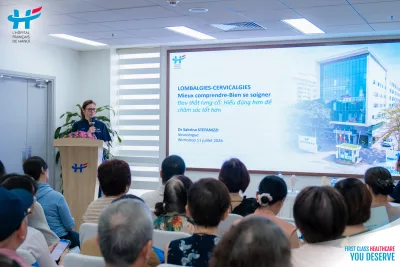
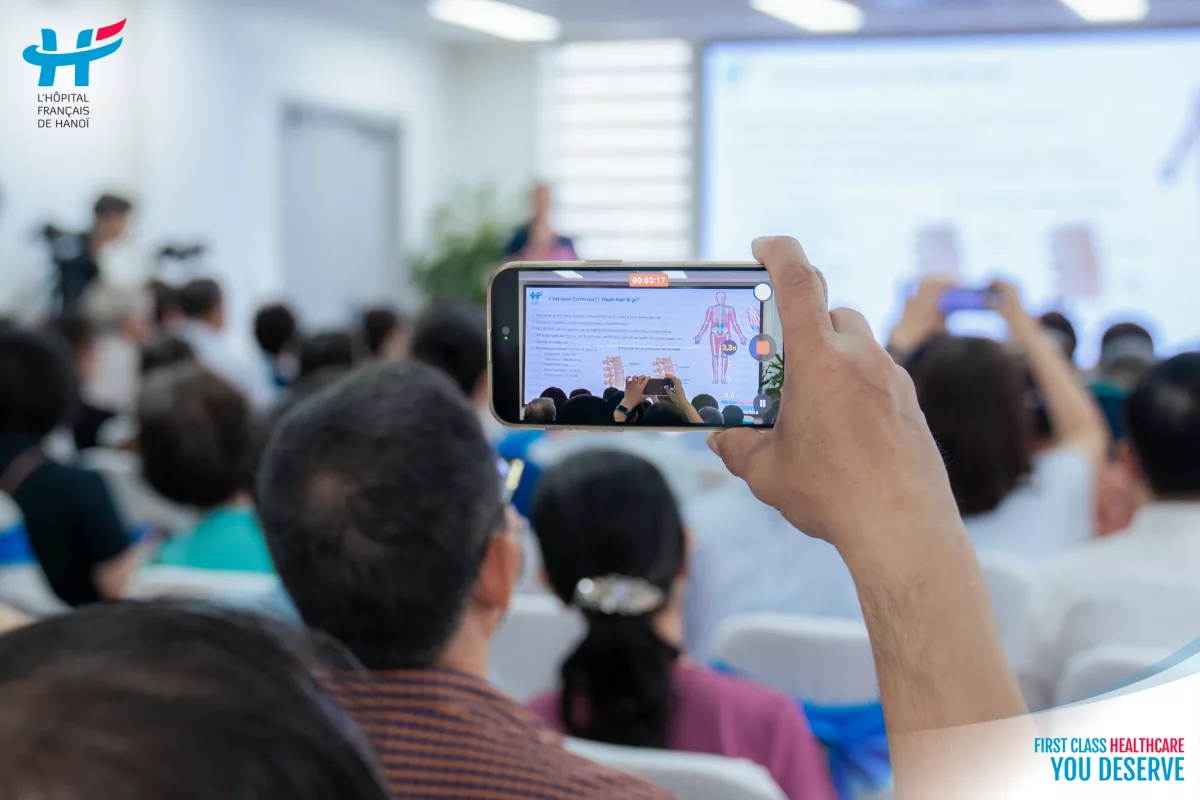
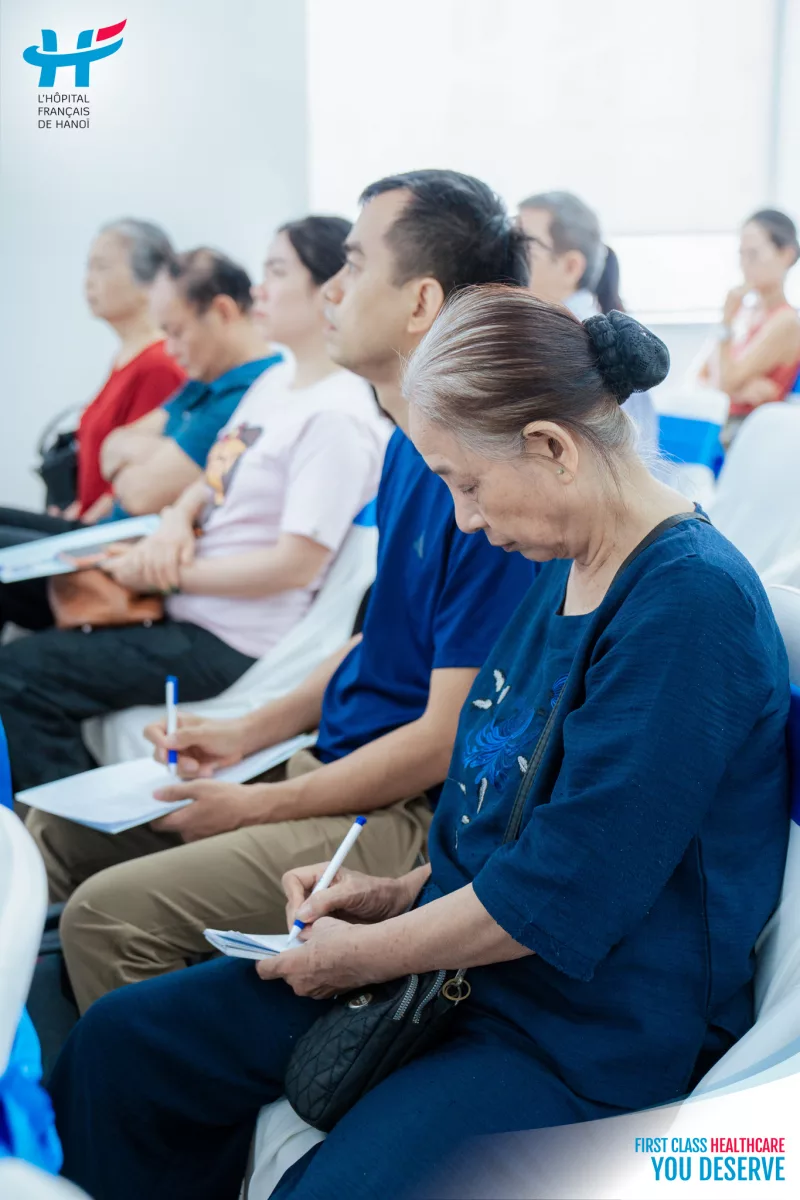
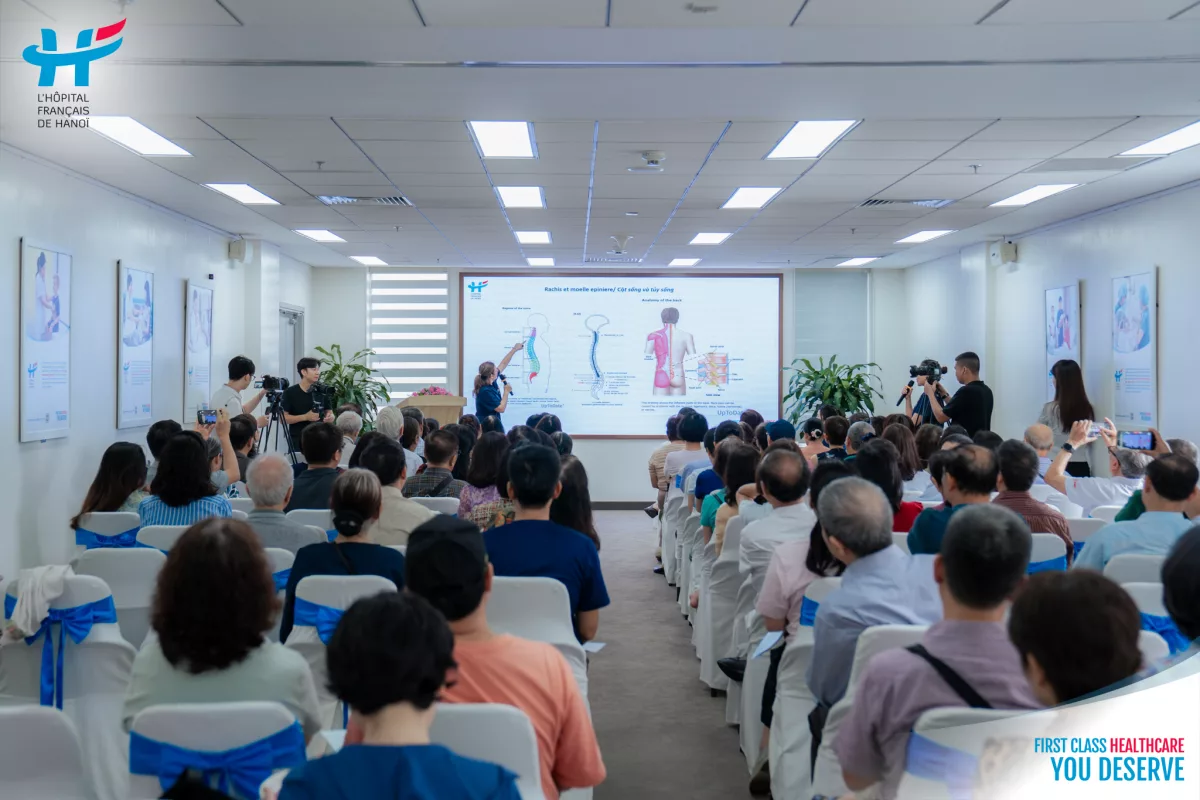
More than an opportunity to share up-to-date medical knowledge, the workshop fostered lively discussions, with questions submitted both before and throughout the event. The high level of engagement reflected the growing public interest in neurological and spinal conditions, as well as the increasing demand for accurate, practical, and evidence-based health information.
Low back and neck pain: Better understanding for better care
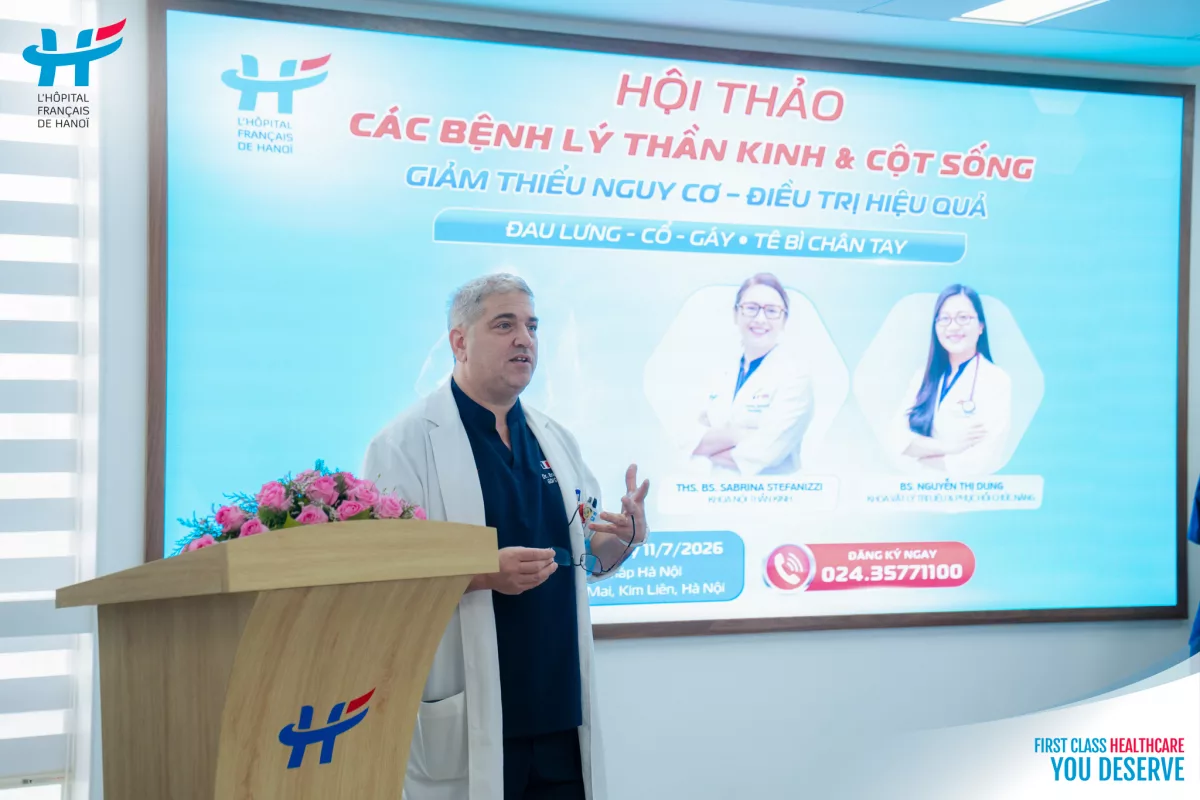
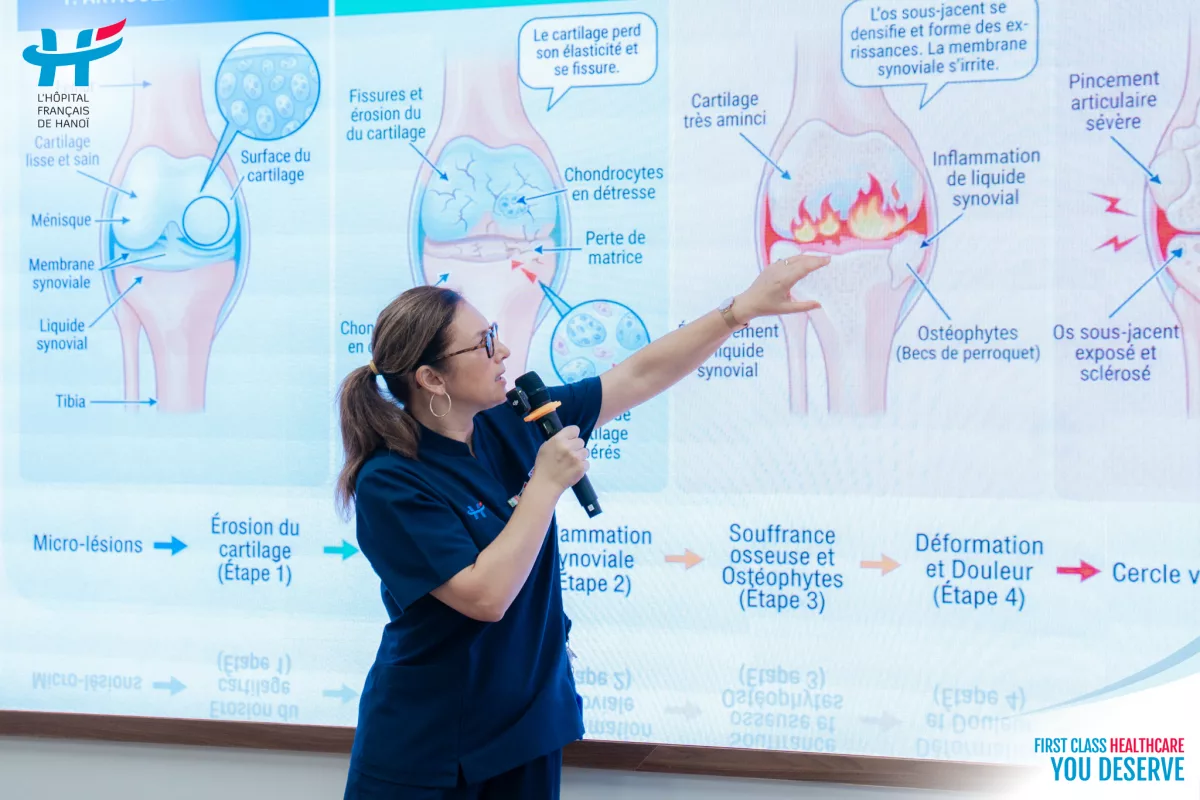
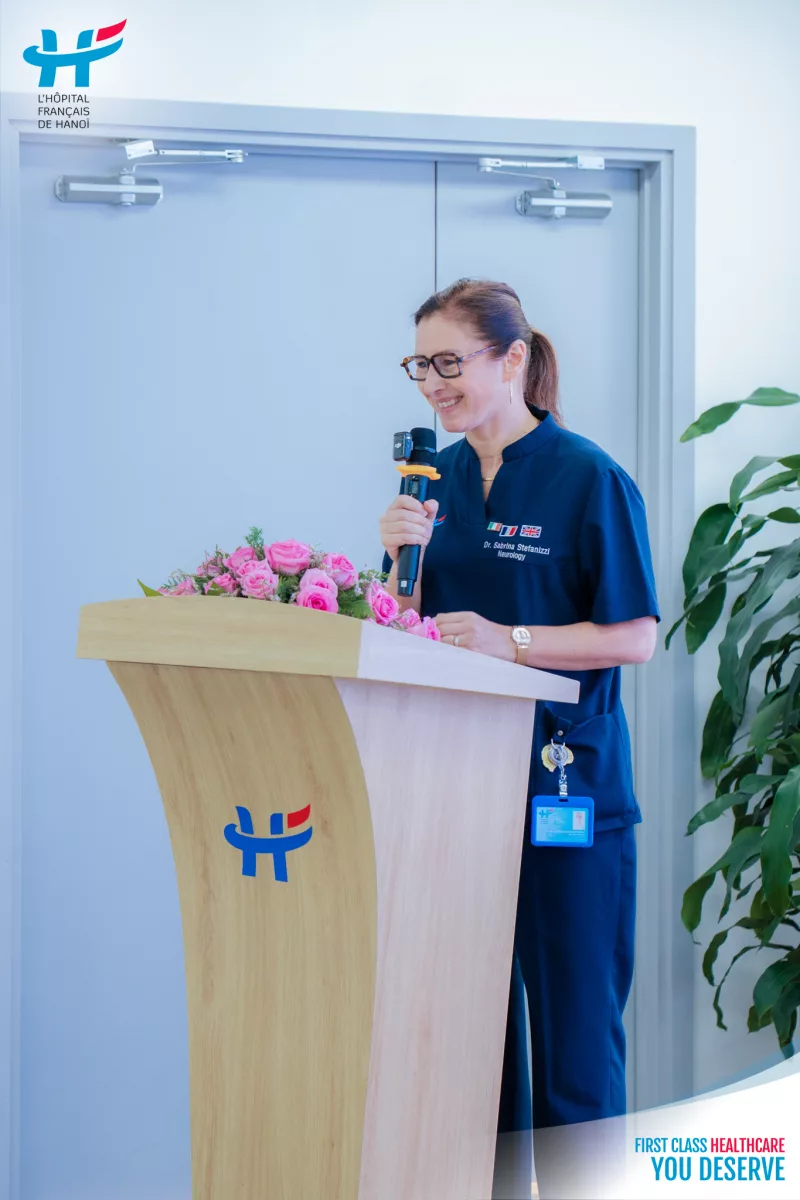
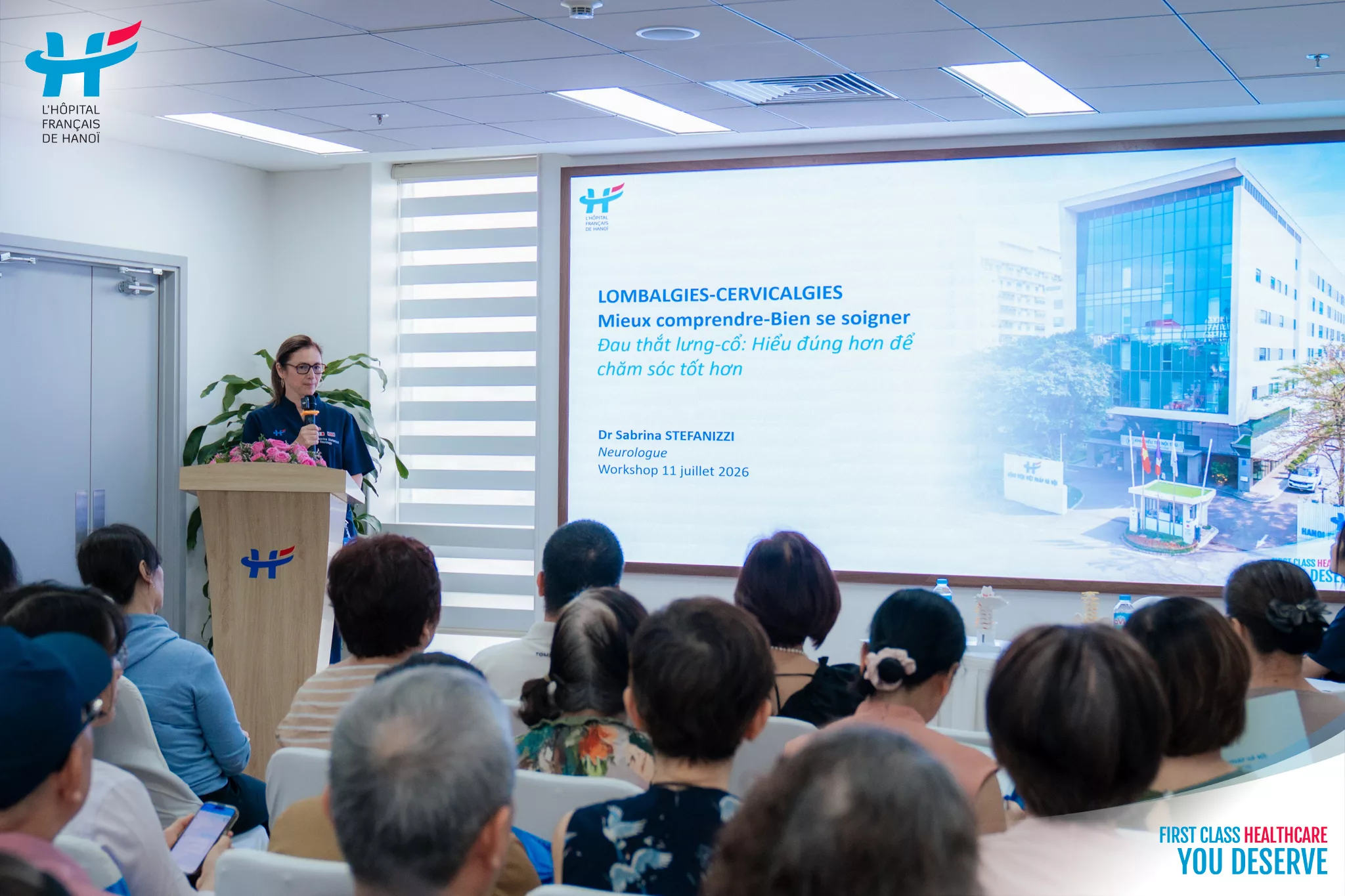
Opening the workshop, Dr. Sabrina Stefanizzi, Department of Neurology, delivered an engaging and accessible presentation on common neurological and spinal conditions. Through clear illustrations, medical imaging, and real-life clinical examples, she guided participants through the anatomy of the nervous system, spine, and spinal cord, explaining the underlying mechanisms, risk factors, and current treatment approaches for common conditions such as degenerative spine disease, disc herniation, and sciatica.
Dr. Stefanizzi also addressed several common misconceptions. One frequently asked question was whether cervical spondylosis increases the risk of stroke. She explained that there is no evidence linking cervical spondylosis to an increased risk of stroke. Instead, major stroke risk factors include hypertension, diabetes, atrial fibrillation, smoking, and hypercholesterolemia.
Participants were also reassured that most cases of low back pain can be effectively managed with conservative treatment, combined with appropriate physical activity and healthy lifestyle modifications. In fact, approximately 90% of low back pain episodes resolve without surgery. Surgical intervention is reserved for carefully selected cases, particularly when conservative treatment fails or when significant neurological deficits or other serious clinical signs are present.
One of the key messages of the session was that regular physical activity and appropriate movement are among the most effective ways to protect spinal health and preserve long-term quality of life.
Good posture: Small changes, lasting benefits
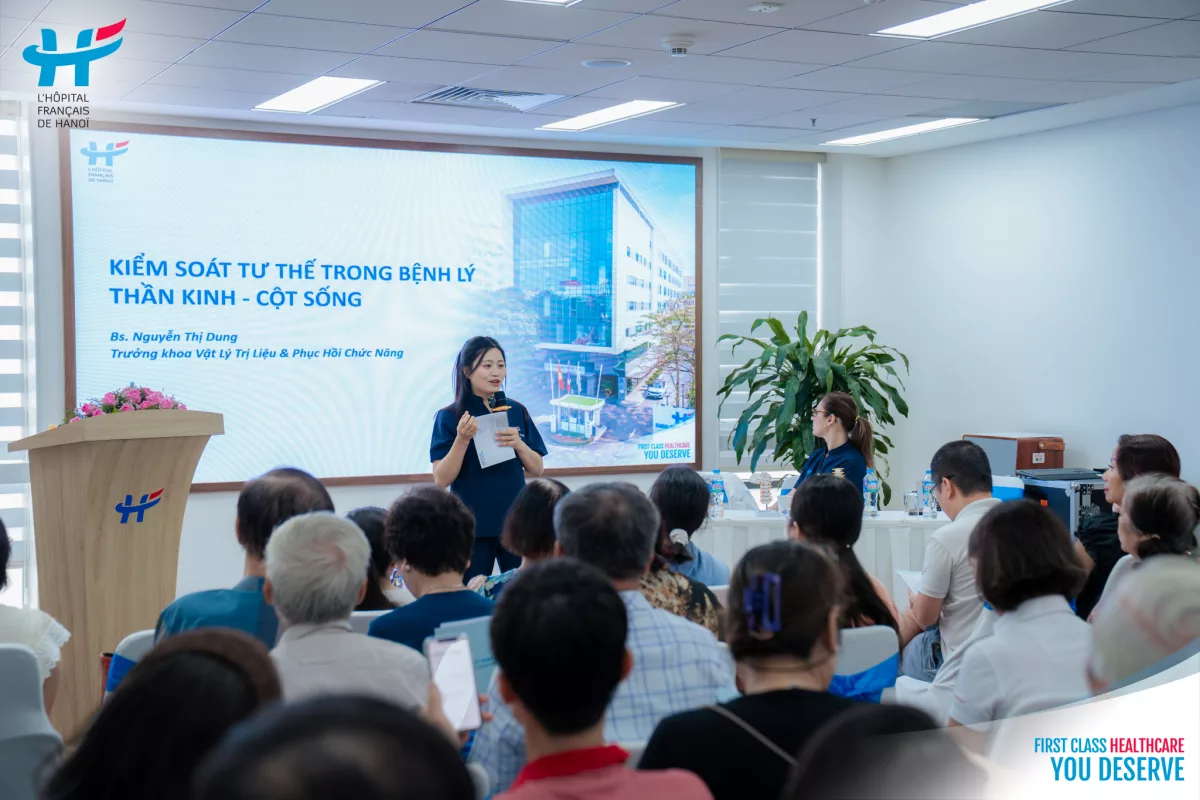
The second presentation was delivered by Dr. Nguyen Thi Dung, Department of Physiotherapy and Rehabilitation Medicine, who highlighted the essential role of posture and rehabilitation in both preventing and managing neurological and spinal conditions.
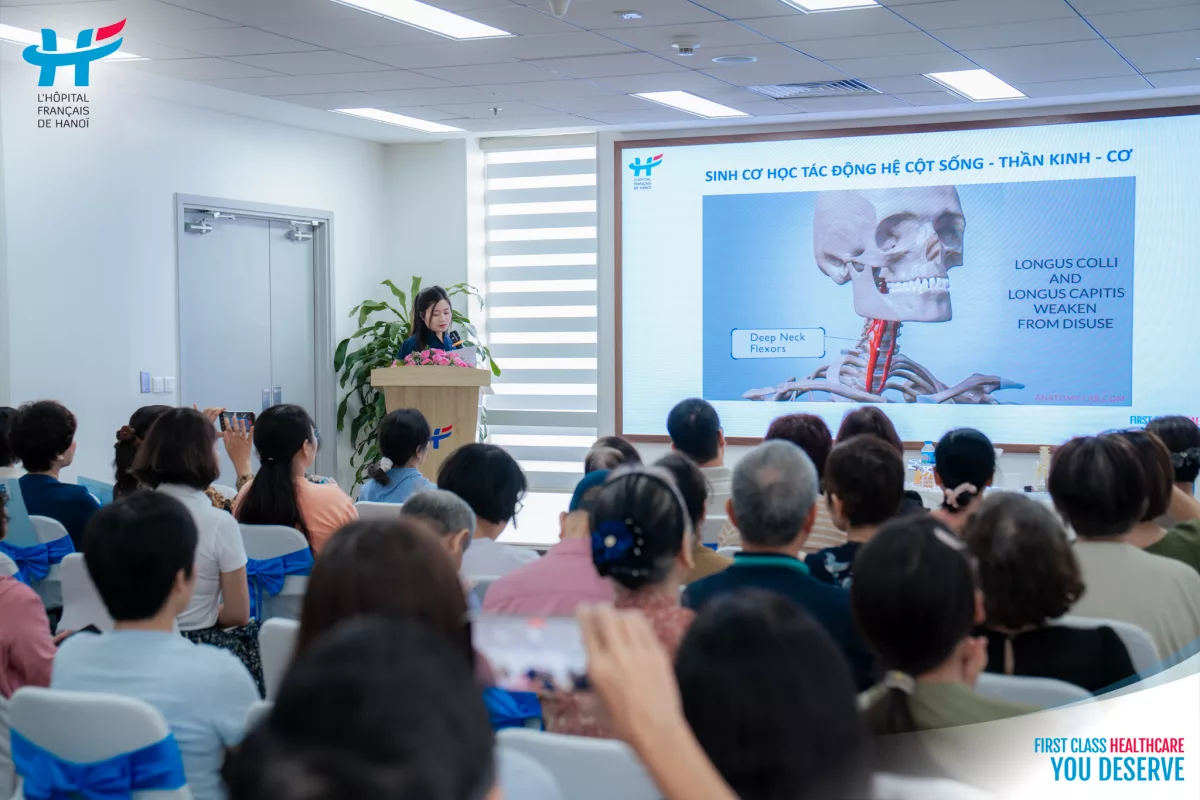
Using illustrations, videos, and easy-to-follow biomechanical explanations, Dr. Dung demonstrated how prolonged poor posture gradually affects the spine and surrounding musculoskeletal structures. Everyday activities including sitting at a desk, standing, lifting objects, and sleeping can all influence spinal alignment and place unnecessary stress on muscles, joints, and nerves when performed incorrectly.
She explained that poor posture may exaggerate or flatten the spine’s natural cervical, thoracic, and lumbar curves, disrupting spinal balance, increasing mechanical stress on spinal structures, reducing stability, and eventually contributing to structural changes over time.
Dr. Dung also outlined the important role of physiotherapy and rehabilitation medicine throughout the continuum of care from prevention through posture correction and ergonomic advice, to optimising conservative treatment using multidisciplinary and multimodal approaches, and finally preventing recurrence through long-term rehabilitation.
Depending on the stage of the condition, rehabilitation strategies vary. Acute management focuses on pain relief and inflammation control; the subacute phase aims to restore mobility, reduce nerve compression, and improve neuromuscular function; while the chronic phase emphasises strengthening the core muscles to improve spinal stability and long-term function.
Another highlight of the presentation was the discussion of common misconceptions about exercise and rehabilitation. Participants learned that inappropriate exercises may increase spinal loading and prolong symptoms. Instead, exercise programmes should be evidence-based, individualised, and tailored to each person’s condition. Achieving optimal recovery requires not only appropriate exercise selection but also an understanding of biomechanics and tissue loading to minimise the risk of injury.
Practical advice on sleeping positions, workplace ergonomics, and daily posture provided participants with simple yet effective strategies that can be readily incorporated into everyday life to reduce the risk of spinal disorders and improve long-term spinal health.
Some photos from the workshop: